
System edukacji (fr_02)
Educators & Designers: help improving this quest!
Comments and feedback: discuss in the Forum
Improve script translations: comment the Google Sheet
Improve Cards translations: comment the Google Sheet
Improve the script: propose an edit here
Version: 1.00
Status: Production
Location: France - Angers
Difficulty: Normal
Duration (min): 20
Description: Poznaj różne poziomy francuskiego systemu szkolnictwa, od maternelle do lycée, i dowiedz się, jak wygląda typowy dzień w szkole podstawowej.
Game Design Notes
The cat goes to different places until he finds his school. Then he visits the school and finds his class.
Content
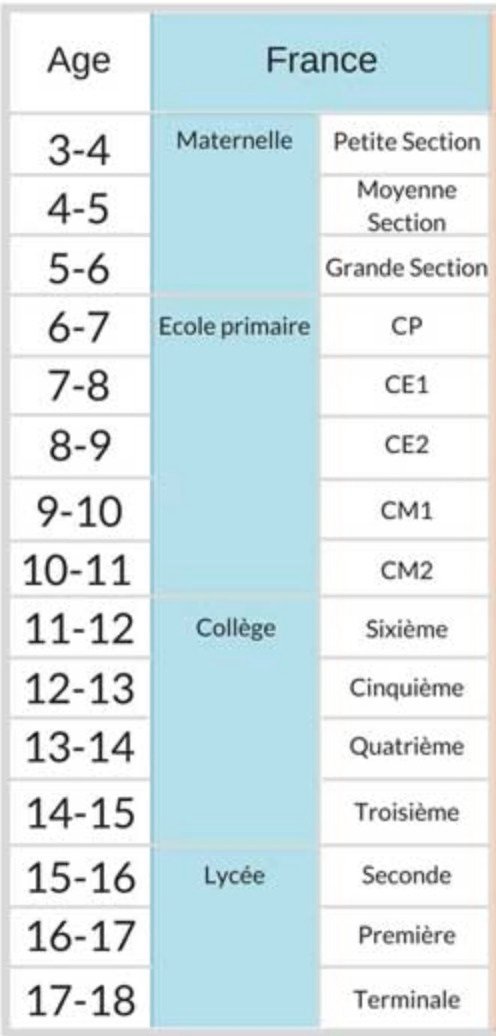
School system : the cats goes a lycée (16-18 ans), to a collège (11-15 ans), to a école maternelle (3-5 ans) and finally goes to an école primaire (6-10 ans), that corresponds to his age, called Jules Verne
A typical day at school
- Morning childcare = garderie du matin
- arrival at the school gate = le portail
- work in class with different subjects/matières : maths, reading & writing
- morning playtime (récréation) on the playground (la cour)
- lunch at the canteen (la cantine) or at home (à la maison)
- school work with different subjects/matières : PE = EPS (éducation physique et - sportive), hist/geog = histoire/géographie, science = sciences, arts= art
- evening childcare = garderie du soir / homework support = aide aux devoirs
School levels with level names and age (CP–6 ans / CE1-7 ans / CE2-8 ans /CM1-9 ans / CM2–10 ans).
Knowledge content
The French School System: Kids learn the names, age groups, and order of the main schools:
- École Maternelle (3-5 years old)
- École Primaire (6-10 years old) - 5 years total.
- Collège (11-15 years old)
- Lycée (16-18 years old)
The Baccalauréat: Kids learn that the Lycée prepares you for a final diploma called le Baccalauréat, which is needed for university.
Classroom Life: Kids learn that French students learn to write in cursive, have playtime (la récréation) in the morning and afternoon, and study things like geometry.
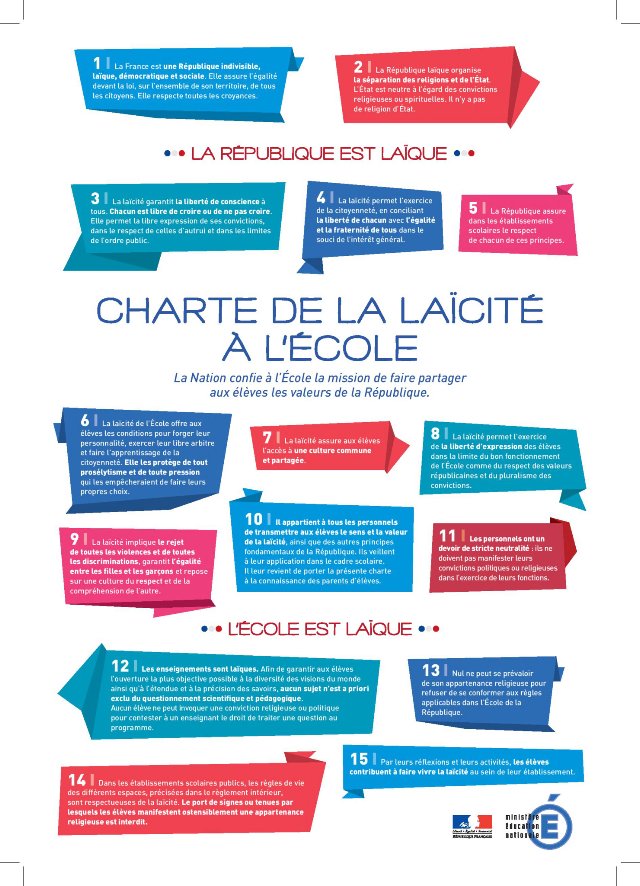
Cultural Values: Introduction to the principles of French public schools via the national motto and the Charter of Secularism.
Quest Script
Topics
French School
- Importance: High
- Country: France
- Target age: Ages6to10
- Subjects: Education
Core Card - Szkoły francuskie
We Francji nauka w szkołach dzieli się na cztery główne etapy: przedszkole (zabawa i nauka dla małych dzieci), szkoła podstawowa (czytanie, pisanie, matematyka), gimnazjum i liceum (szkoła średnia). Na koniec szkoły średniej wielu uczniów zdaje ważny egzamin - maturę.
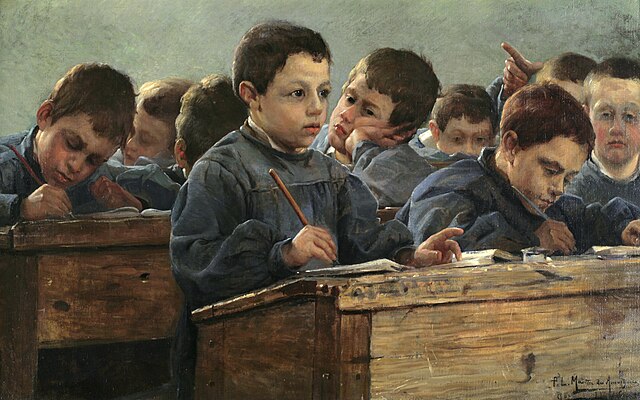
- Type: Concept
- Subjects: Education, Civics, Culture
Connection (PartOf) - Przedszkole
Szkoła dla małych dzieci w wieku od 3 do 5 lat. Uczysz się poprzez zabawę i odkrywanie.
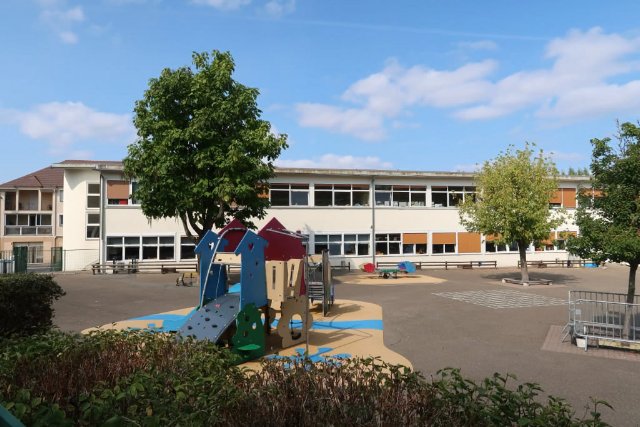
- Type: Concept
- Subjects: Education, Culture
- Year: 1975
Connection (PartOf) - Szkoła podstawowa we Francji
Szkoła dla dzieci w wieku od 6 do 10 lat. Uczysz się czytania, pisania i liczenia.
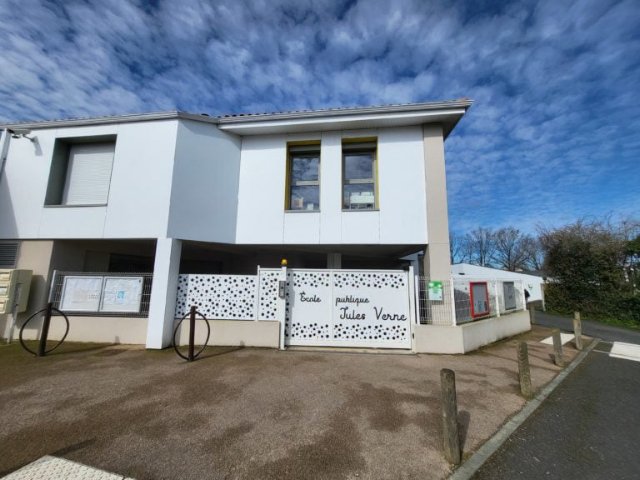
- Type: Concept
- Subjects: Education, Culture
- Year: 1975
Connection (PartOf) - Liceum we Francji
Szkoła średnia we Francji dla nastolatków w wieku od 16 do 18 lat. Uczniowie intensywnie przygotowują się do egzaminu maturalnego, aby móc iść na uniwersytet.
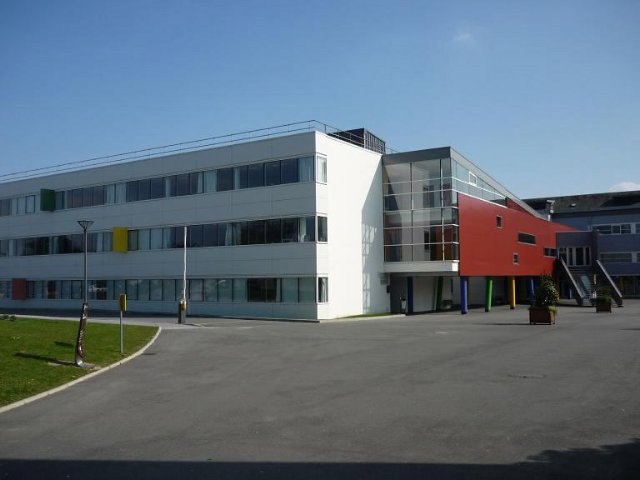
- Rationale: The Lycée system shows kids the path to higher education in France
- Type: Concept
- Subjects: Education, Culture
- Year: 1975
Connection (PartOf) - Collège we Francji
Gimnazjum we Francji dla dzieci w wieku od 11 do 15 lat. Uczniowie uczą się wielu przedmiotów i przygotowują się do szkoły średniej.
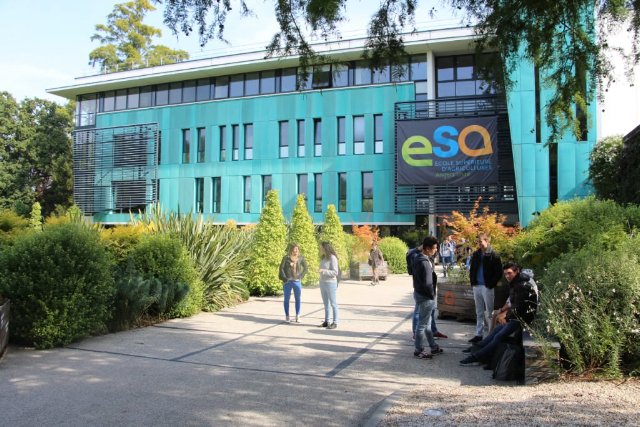
- Rationale: Understanding the French school system helps kids compare education across countries
- Type: Concept
- Subjects: Education, Culture
- Year: 1975
Connection (Purpose) - Pismo odręczne
Specjalny sposób pisania, w którym wszystkie litery w słowie są połączone. We Francji dzieci uczą się tego sposobu pisania w szkole.
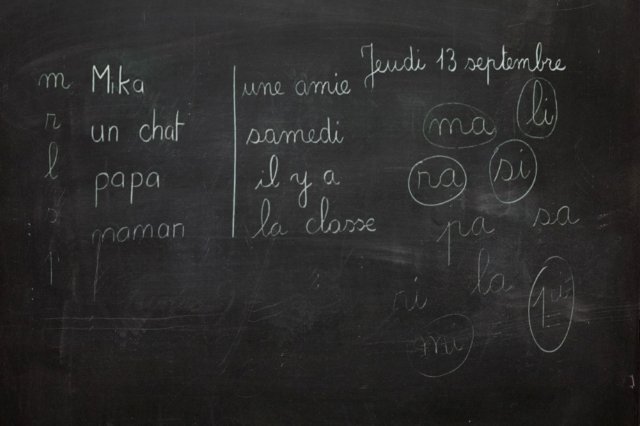
- Rationale: Cursive writing is an important part of French education and cultural identity
- Type: Concept
- Subjects: Education, Culture, Art
- Year: 1800
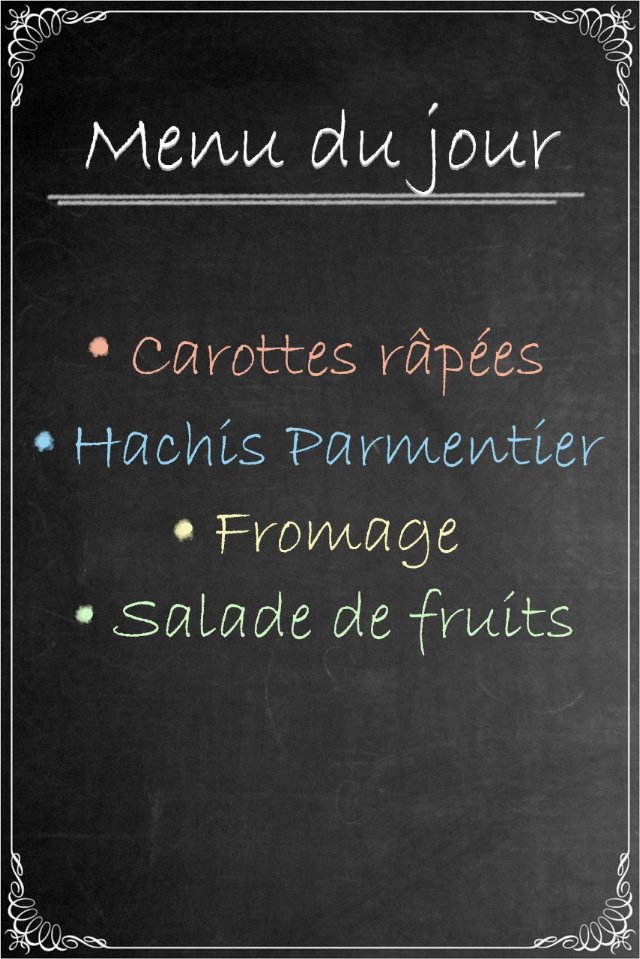
Connection (Purpose) - Menu stołówki
Lista dań, które możesz wybrać na szkolny obiad.
- Type: Object
- Subjects: Community, Culture
Connection (CulturalContext) - Karta świeckości
Zbiór zasad szanujących przekonania każdego. Pomaga ludziom żyć razem w pokoju.
- Type: Concept
- Subjects: Community, Culture
- Year: 2013
Elementary Math
Numbers and shapes for everyday life: counting, adding and subtracting, simple fractions, measuring, telling time, and using money.
- Importance: Medium
- Country: International
- Target age: Ages6to10
- Subjects: Math
Core Card - Matematyka podstawowa
Liczby i kształty potrzebne w codziennym życiu: liczenie, dodawanie, odejmowanie, proste ułamki, mierzenie, określanie czasu i korzystanie z pieniędzy.
- Type: None
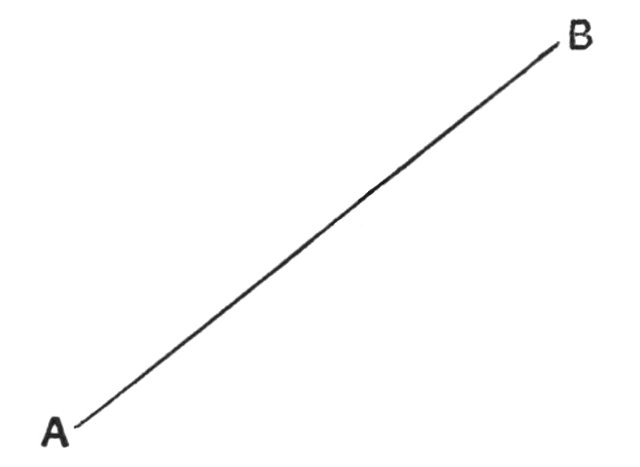
Connection (PartOf): curriculum element - Linia
Linia prosta, która prowadzi z jednego punktu do drugiego. Linie mogą być długie lub krótkie.
- Type: Concept
- Subjects: Math
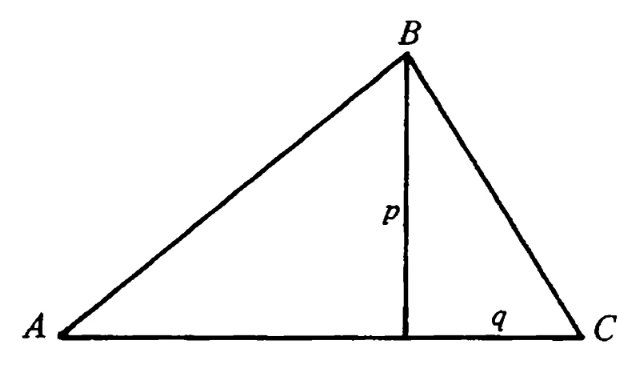
Connection (PartOf): curriculum element - Trójkąt
Ma trzy boki i trzy kąty. Trójkąty wyglądają jak kawałki pizzy.
- Type: Concept
- Subjects: Math
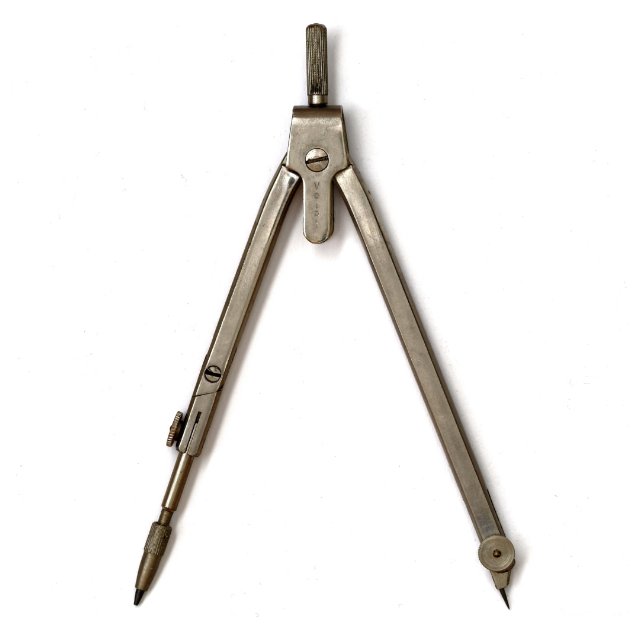
Connection (Purpose): tool used for math - Cyrkiel
Narzędzie, które pomaga rysować idealne okręgi. Ma dwie nogi jak nożyczki.
- Type: Object
- Subjects: Math
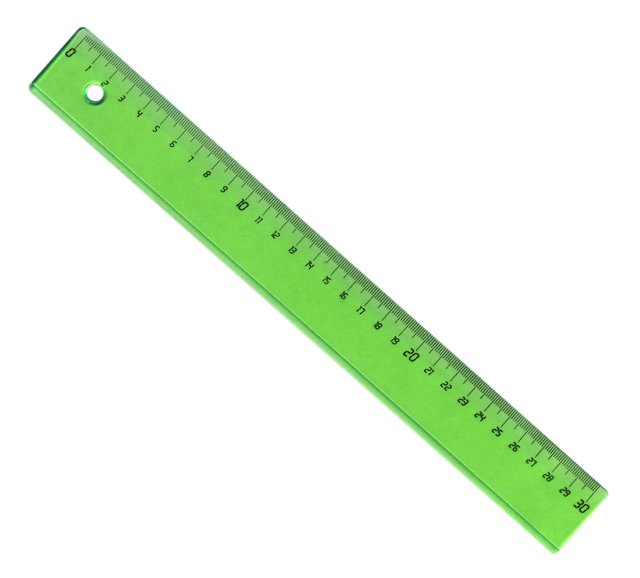
Connection (Purpose): tool used for math - Linijka
Proste narzędzie do pomiaru długości przedmiotów. Linijki mają cyfry i linie.
- Type: Object
- Subjects: Math
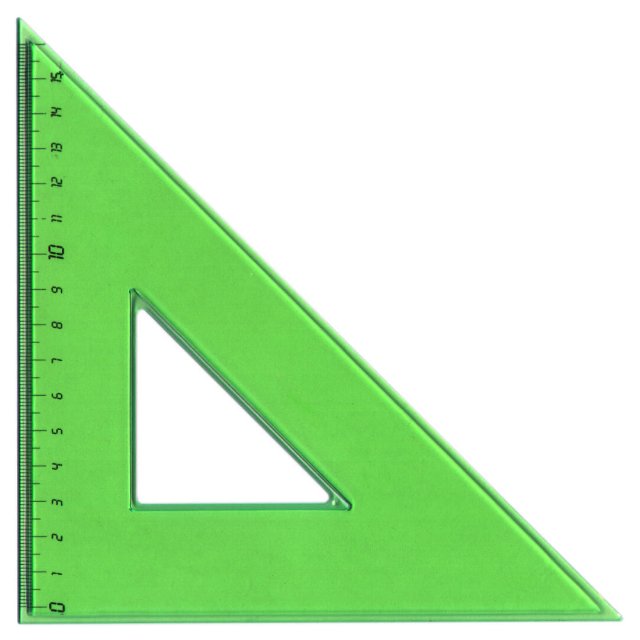
Connection (Purpose): tool used for math - Ekierka
Narzędzie w kształcie trójkąta, służące do rysowania linii prostych i kątów prostych w matematyce.
- Type: Object
- Subjects: Math
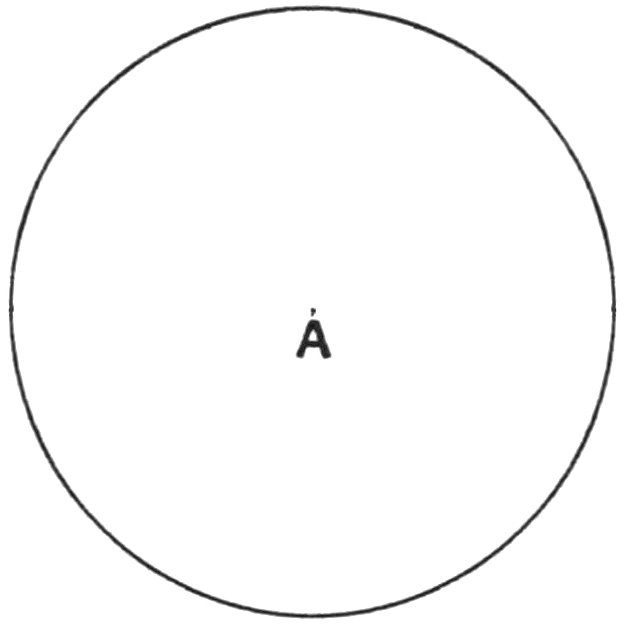
Connection (PartOf): Previous core card - Koło
Okrągły kształt, bez rogów. Koła wyglądają jak koła samochodu, piłki i monety!
- Type: Concept
- Subjects: Math
Additional Cards
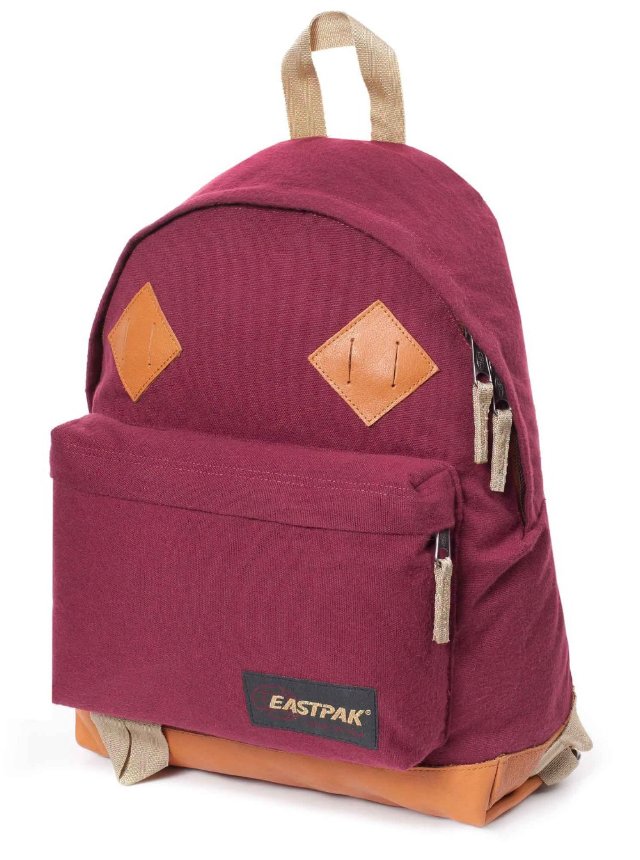
Plecak szkolny
Plecak, w którym uczniowie noszą książki, ołówki i prace domowe.
- Type: Object
- Subjects: Science
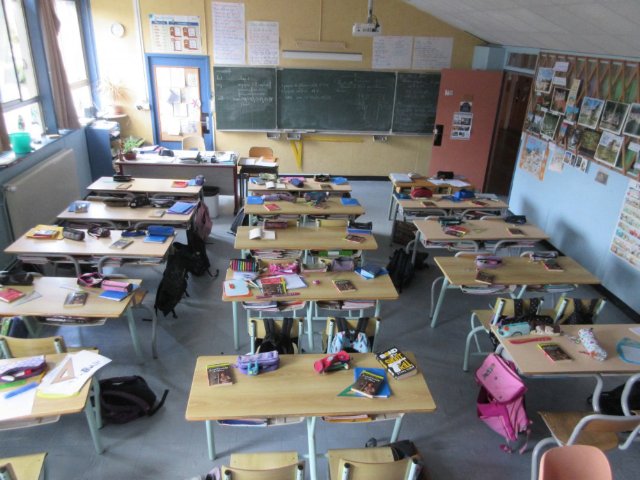
Klasa
Pomieszczenie w szkole, w którym uczniowie uczą się nowych rzeczy.
- Type: Place
- Subjects: Education, Community
Francuski plakat szkolny
Duży obraz z informacjami, który wisi na ścianach klas we francuskich szkołach.
- Type: Object
- Subjects: Education
Words
- water
Activities
Tasks
- [Interact] TASK_SCHOOL
- [Collect] TASK_BACKPACK
- [Interact] TASK_CLASSROOM
Credits
- Anne (France) (content)
- Lucie Paillat (France) (content, design)
- Stefano Cecere (Italy) (development)
- Valeria Passarella (Italy) (design)