
The School system (fr_02)
Educators & Designers: help improving this quest!
Comments and feedback: discuss in the Forum
Improve script translations: comment the Google Sheet
Improve Cards translations: comment the Google Sheet
Improve the script: propose an edit here
Version: 1.00
Status: Production
Location: France - Angers
Difficulty: Normal
Duration (min): 20
Description: Explore the different levels of the French school system, from maternelle to lycée, to find your place in a typical day at primary school.
Game Design Notes
The cat goes to different places until he finds his school. Then he visits the school and finds his class.
Content
School system : the cats goes a lycée (16-18 ans), to a collège (11-15 ans), to a école maternelle (3-5 ans) and finally goes to an école primaire (6-10 ans), that corresponds to his age, called Jules Verne
A typical day at school
- Morning childcare = garderie du matin
- arrival at the school gate = le portail
- work in class with different subjects/matières : maths, reading & writing
- morning playtime (récréation) on the playground (la cour)
- lunch at the canteen (la cantine) or at home (à la maison)
- school work with different subjects/matières : PE = EPS (éducation physique et - sportive), hist/geog = histoire/géographie, science = sciences, arts= art
- evening childcare = garderie du soir / homework support = aide aux devoirs
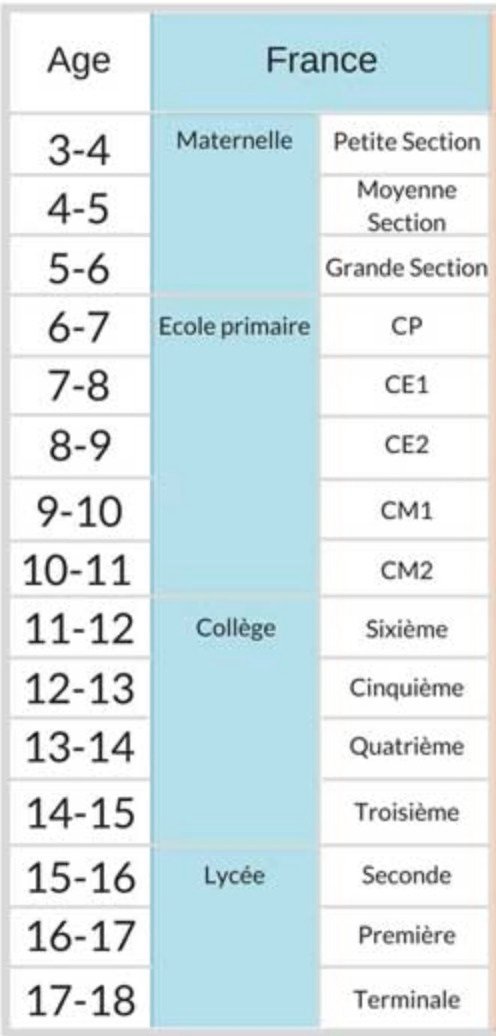
School levels with level names and age (CP–6 ans / CE1-7 ans / CE2-8 ans /CM1-9 ans / CM2–10 ans).
Knowledge content
The French School System: Kids learn the names, age groups, and order of the main schools:
- École Maternelle (3-5 years old)
- École Primaire (6-10 years old) - 5 years total.
- Collège (11-15 years old)
- Lycée (16-18 years old)
The Baccalauréat: Kids learn that the Lycée prepares you for a final diploma called le Baccalauréat, which is needed for university.
Classroom Life: Kids learn that French students learn to write in cursive, have playtime (la récréation) in the morning and afternoon, and study things like geometry.
Cultural Values: Introduction to the principles of French public schools via the national motto and the Charter of Secularism.
Quest Script
Topics
French School
- Importance: High
- Country: France
- Target age: Ages6to10
- Subjects: Education
Core Card - French Schools
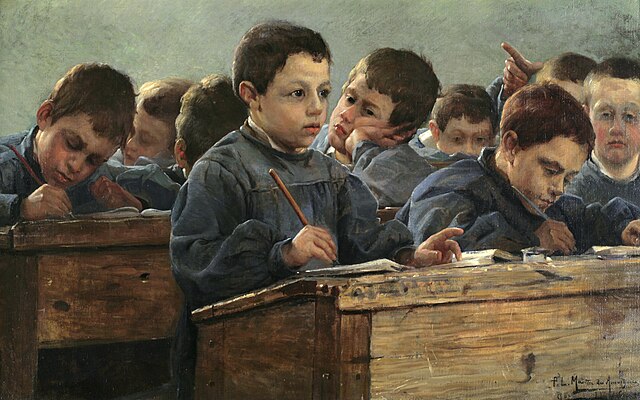
In France, school happens in four main steps: maternelle (play-and-learn for little kids), école élémentaire (reading, writing, maths), collège (middle school), and lycée (high school). At the end of lycée, many students take a big exam called the baccalauréat (‘le bac’)
- Type: Concept
- Subjects: Education, Civics, Culture
Connection (PartOf) - École Maternelle
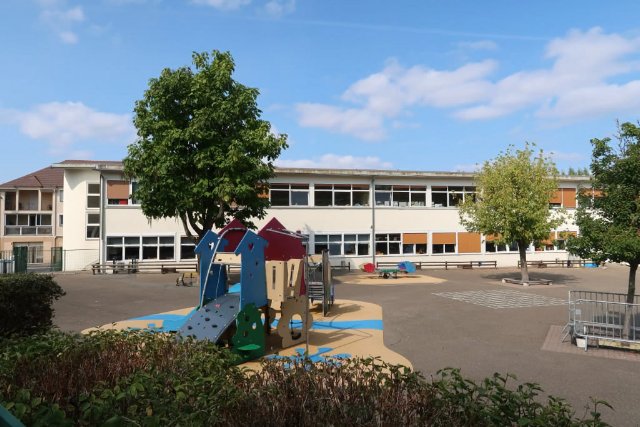
School for little kids aged 3 to 5. You learn by playing and exploring.
- Type: Concept
- Subjects: Education, Culture
- Year: 1975
Connection (PartOf) - Primary School in France
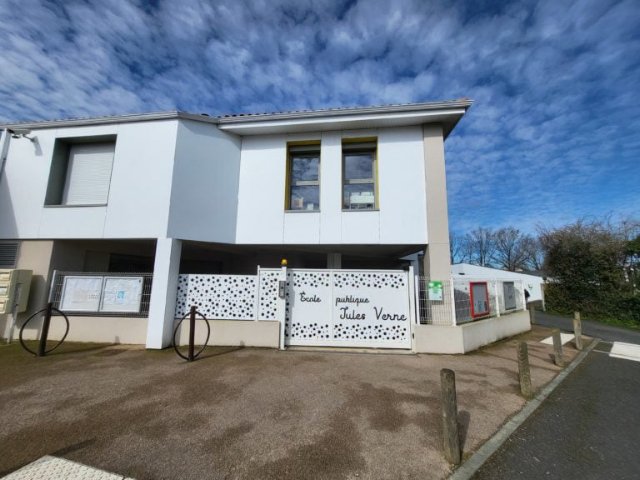
School for kids aged 6 to 10. You learn reading, writing, and counting.
- Type: Concept
- Subjects: Education, Culture
- Year: 1975
Connection (PartOf) - Lycée in France
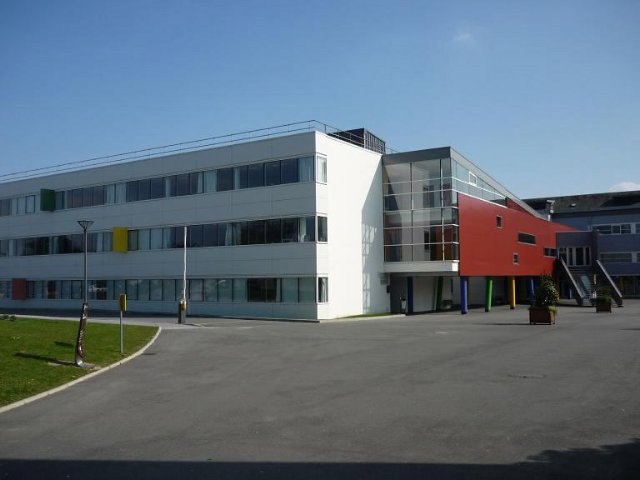
High school in France for teenagers aged 16 to 18. Students study hard for the Baccalauréat exam to go to university.
- Rationale: The Lycée system shows kids the path to higher education in France
- Type: Concept
- Subjects: Education, Culture
- Year: 1975
Connection (PartOf) - Collège in France
Middle school in France for kids aged 11 to 15. Students learn many subjects and prepare for high school.
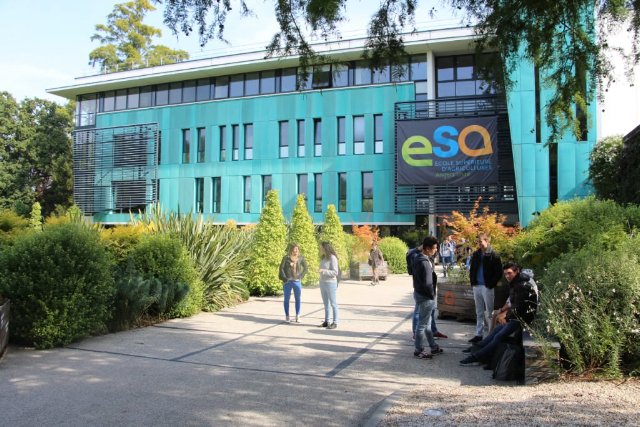
- Rationale: Understanding the French school system helps kids compare education across countries
- Type: Concept
- Subjects: Education, Culture
- Year: 1975
Connection (Purpose) - Cursive Writing
A special way of writing where all the letters in a word are connected. In France, children learn to write this way in school.
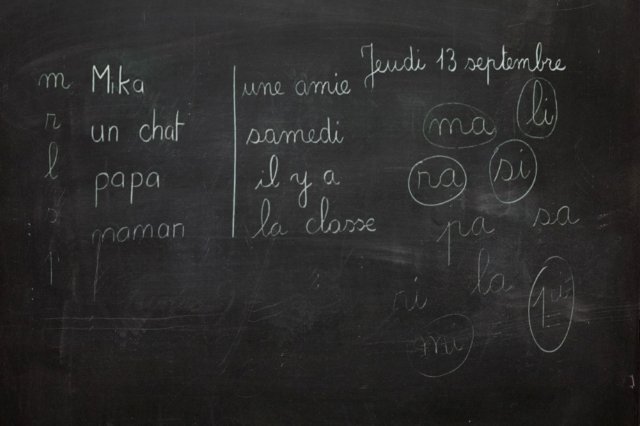
- Rationale: Cursive writing is an important part of French education and cultural identity
- Type: Concept
- Subjects: Education, Culture, Art
- Year: 1800
Connection (Purpose) - Canteen menu
A list that shows what food you can eat at school lunch. It helps you choose what to eat!
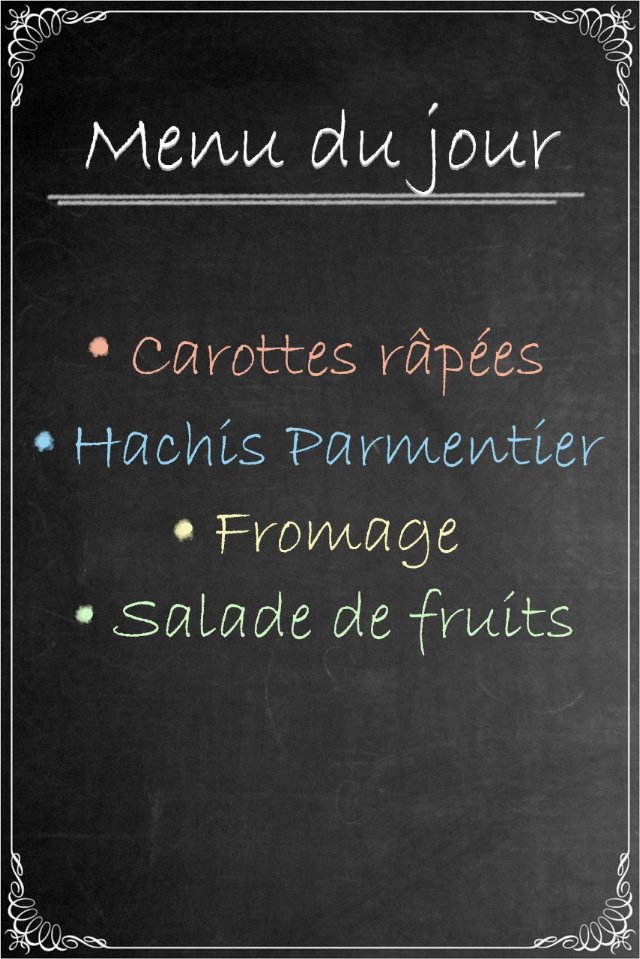
- Type: Object
- Subjects: Community, Culture
Connection (CulturalContext) - Charter of Secularism
A set of rules for respecting everyone's beliefs. It helps people live together in peace.
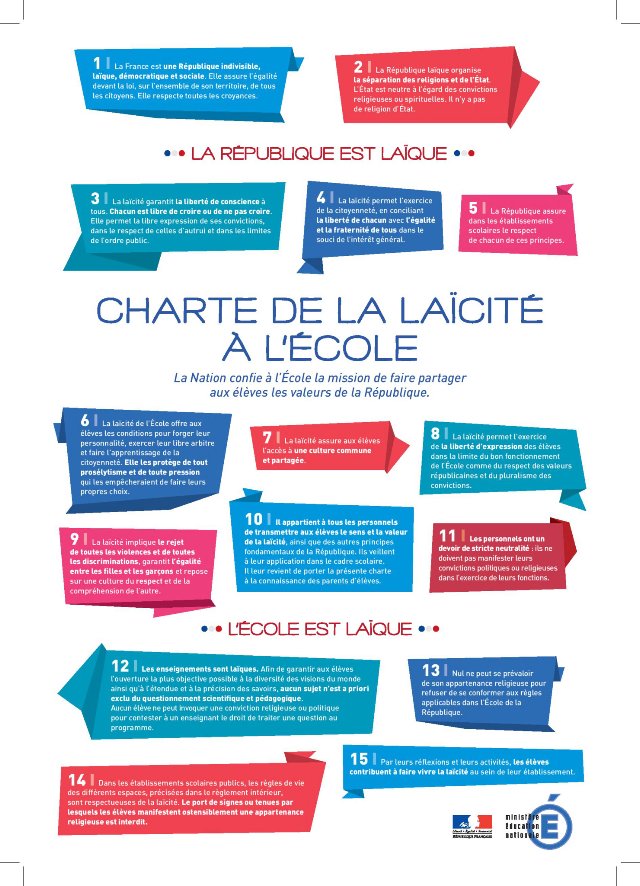
- Type: Concept
- Subjects: Community, Culture
- Year: 2013
Elementary Math
Numbers and shapes for everyday life: counting, adding and subtracting, simple fractions, measuring, telling time, and using money.
- Importance: Medium
- Country: International
- Target age: Ages6to10
- Subjects: Math
Core Card - Eleementary Maths
Numbers and shapes for everyday life: counting, adding and subtracting, simple fractions, measuring, telling time, and using money.
- Type: None
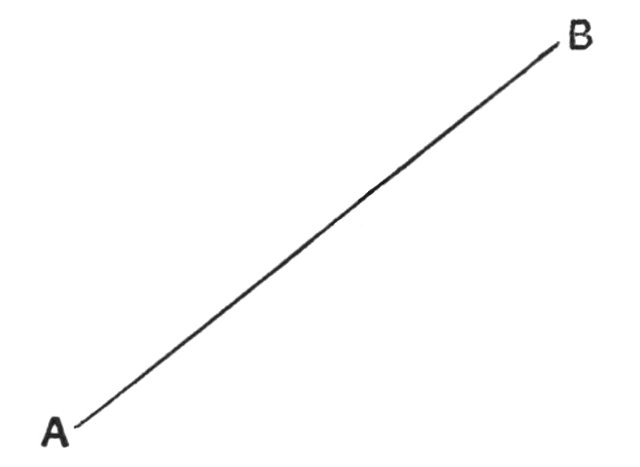
Connection (PartOf): curriculum element - Line
A straight mark that goes from one point to another. Lines can be long or short.
- Type: Concept
- Subjects: Math
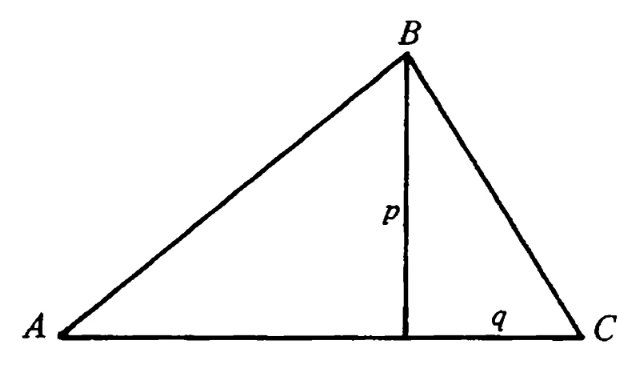
Connection (PartOf): curriculum element - Triangle
A shape with three straight sides and three corners. Triangles look like pizza slices!
- Type: Concept
- Subjects: Math
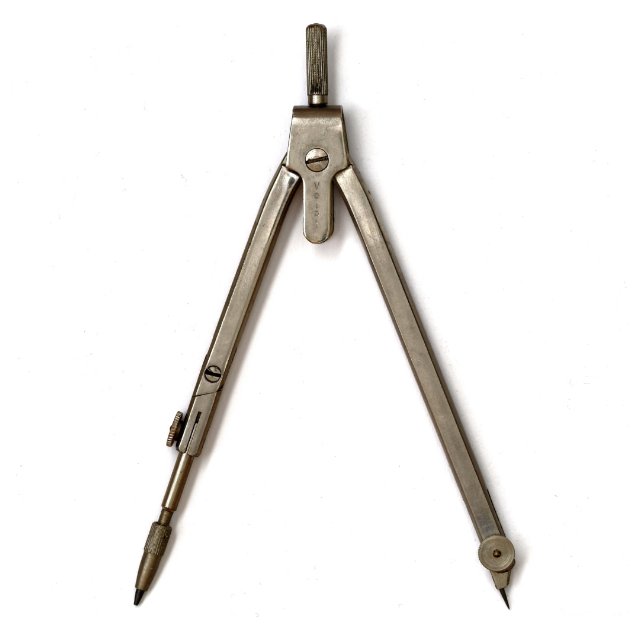
Connection (Purpose): tool used for math - Compass
A tool that helps you draw perfect circles. It has two legs like scissors.
- Type: Object
- Subjects: Math
Connection (Purpose): tool used for math - Ruler
A straight tool used to measure how long things are. Rulers have numbers and lines.
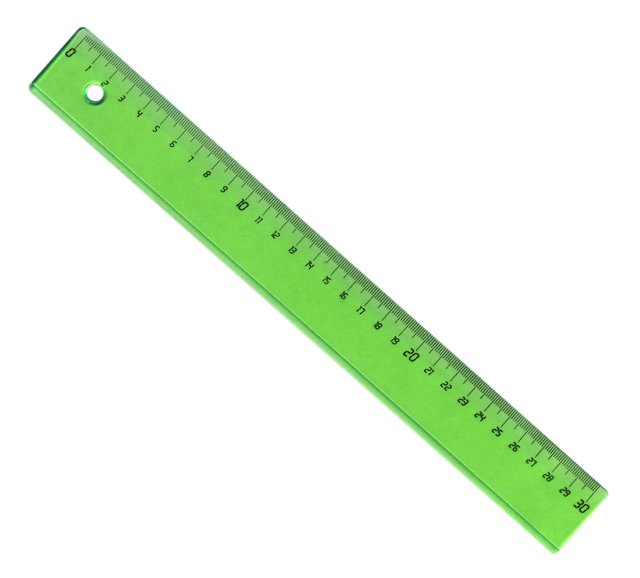
- Type: Object
- Subjects: Math
Connection (Purpose): tool used for math - Square
A triangle-shaped tool used to draw straight lines and right angles in math.
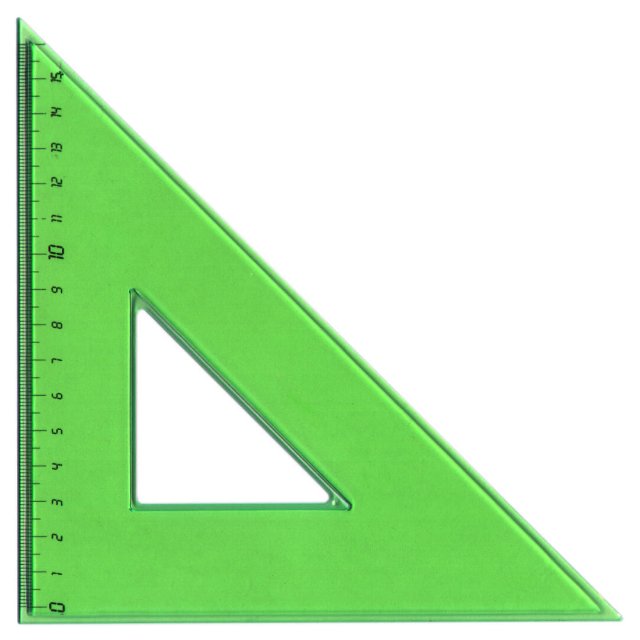
- Type: Object
- Subjects: Math
Connection (PartOf): Previous core card - Circle
A round shape with no corners. Circles look like wheels, balls, and coins!
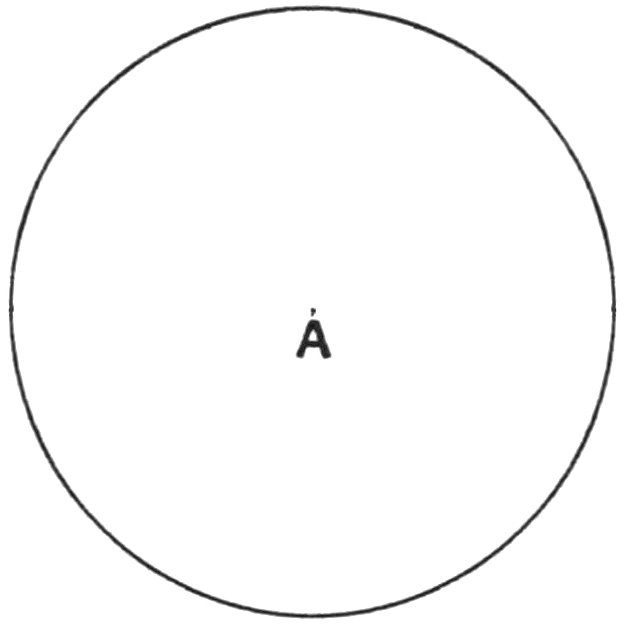
- Type: Concept
- Subjects: Math
Additional Cards
School bag
A bag that students use to carry their books, pencils, and homework to school.
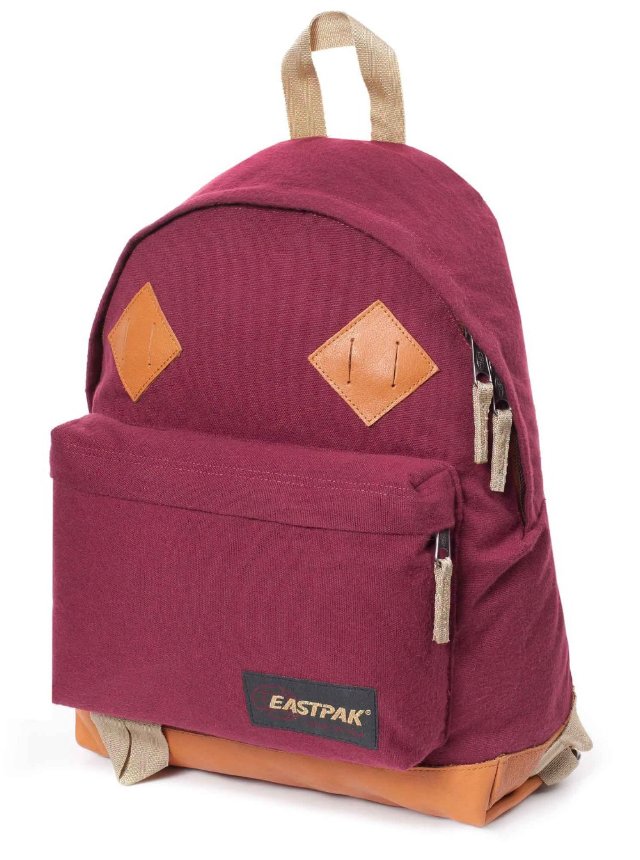
- Type: Object
- Subjects: Science
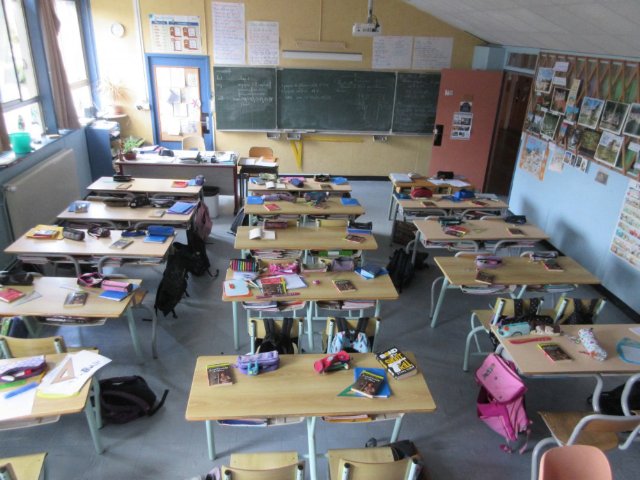
Classroom
A room in school where students sit and learn new things from their teacher.
- Type: Place
- Subjects: Education, Community
French School Poster
A big picture with information that hangs on classroom walls in French schools.
- Type: Object
- Subjects: Education
Words
- water
Activities
Tasks
- [Interact] TASK_SCHOOL
- [Collect] TASK_BACKPACK
- [Interact] TASK_CLASSROOM
Credits
- Anne (France) (content)
- Lucie Paillat (France) (content, design)
- Stefano Cecere (Italy) (development)
- Valeria Passarella (Italy) (design)