Copernico e il sistema solare (pl_07)
Educators & Designers: help improving this quest!
Comments and feedback: discuss in the Forum
Improve script translations: comment the Google Sheet
Improve Cards translations: comment the Google Sheet
Improve the script: propose an edit here
Version: 1.00
Status: Development
Location: Poland - Torun
Difficulty: Normal
Duration (min): 10
Description: Scopri chi era Niccolò Copernico e gli 8 pianeti del sistema solare
Game Design Notes
Mission
Discover the 8 planets of the Solar System, collect their treasures, and put them in order to rescue Antura from Copernicus's model room.
And did you know Copernicus was from Poland?
Core Subject
The 8 planets of the Solar System and their order from the Sun, Nicolaus Copernicus and his heliocentric discovery.
Collect Mechanic
Each planet has objects to collect equal to its position number from the Sun.
Finding and counting them reinforces both the planet facts and the order.
| # | Planet | Activity | Object |
|---|---|---|---|
| 1 | Mercury | Collect 1 | sun-heated rock |
| 2 | Venus | Collect 2 | hot clouds |
| 3 | Earth | Collect 3 | water drops |
| 4 | Mars | Collect 4 | red dust grains |
| 5 | Jupiter | Collect 5 | storm bolts |
| 6 | Saturn | Collect 6 | ring fragments |
| 7 | Uranus | Collect 7 | ice crystals |
| 8 | Neptune | memory game | other planets |
Characters
- Nicolaus Copernicus (SENIOR_M): The main guide. Tells a short story about each planet.
- Guide (GUIDE_F): Introduces the quest, helps rescue Antura at the end.
- Old Sailor (SENIOR_M): Has sailed the farthest seas and knows about the deep, dark ocean of space.
Knowledge Content
Planets:
- Mercury — closest to the Sun, no air, covered in craters
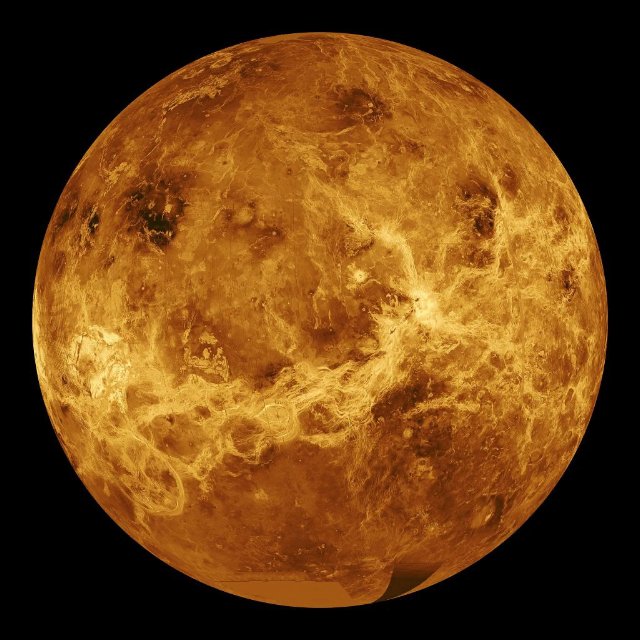
- Venus — hottest planet, wrapped in thick hot clouds
- Earth — our home, covered in water and life
- Mars — the Red Planet, dusty surface, tallest volcano in the Solar System
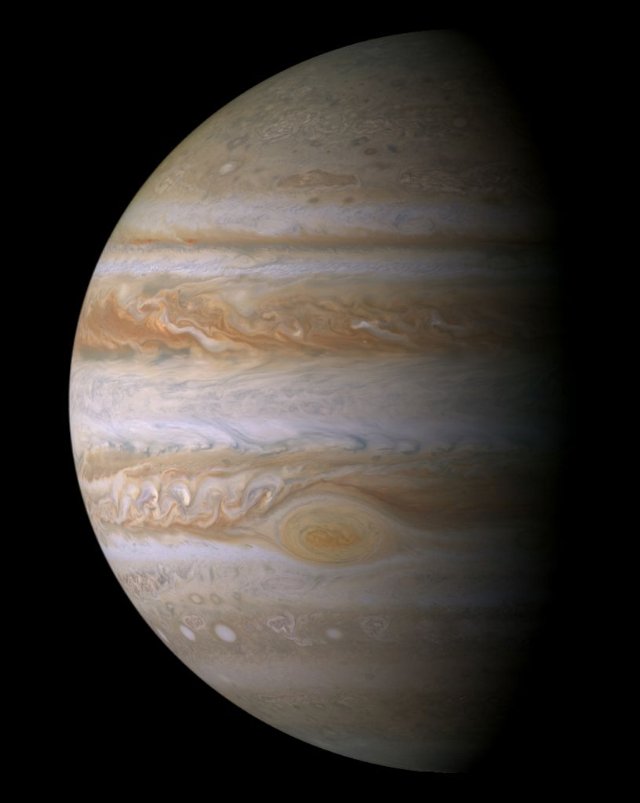
- Jupiter — the biggest planet, giant storm called the Great Red Spot
- Saturn — famous rings made of ice and rock
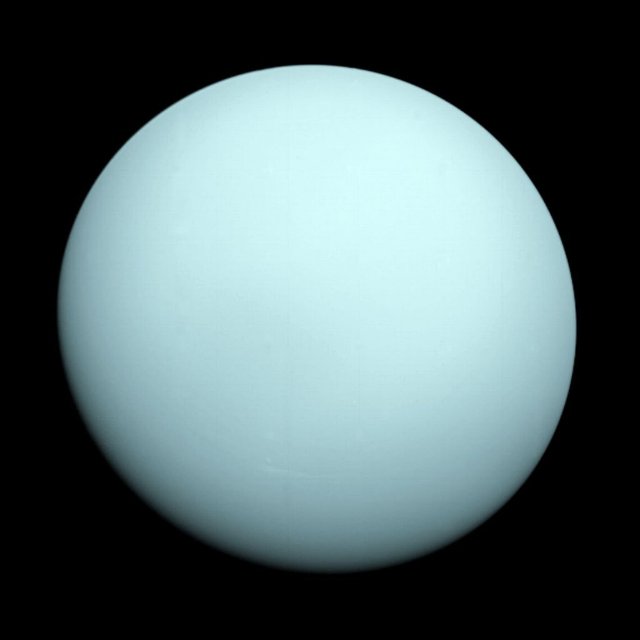
- Uranus — icy blue-green giant that spins on its side
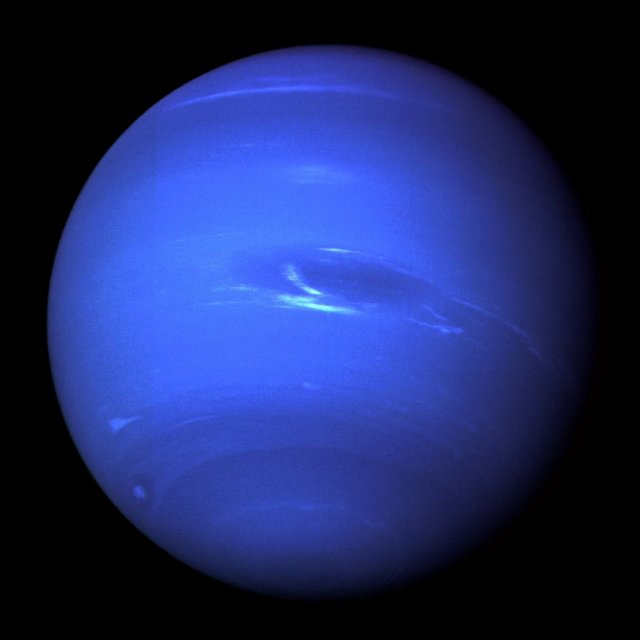
- Neptune — farthest planet, deep blue, extreme winds, has a giant moon called Triton
History:
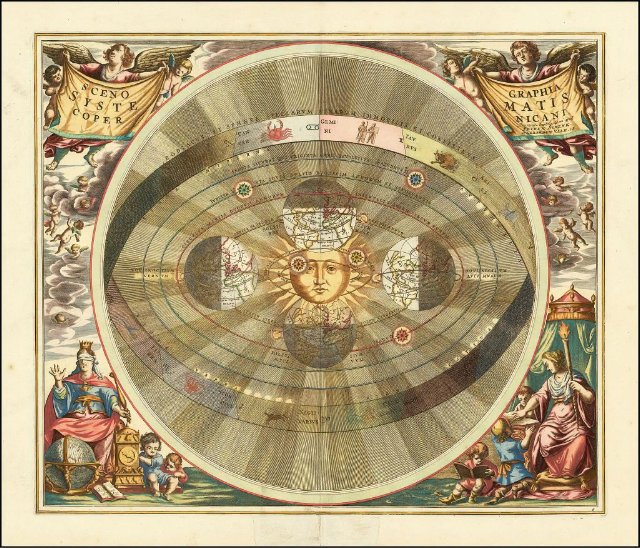
- Copernicus proved the Sun (not Earth) is at the center of the Solar System — the heliocentric model
- He was born in Torun, Poland
Vocabulary:
planet, solar system, sun, orbit, Mercury, Venus, Earth, Mars, Jupiter, Saturn, Uranus, Neptune, rings, crater, volcano, storm, ocean, cloud, ice, wind, moon
Flow
- Arrival in Torun — The guide welcomes the player outside Copernicus's house. Antura has sneaked into the model room.
- Meet Copernicus — He introduces himself and asks for help: the Solar System model is broken and the planets are scattered.
- Order Activity — The player arranges the 8 planets from the Sun (ORDER activity). Copernicus explains the heliocentric model.
- Planet Hunt (×7) — For planets 1–7 (Mercury → Uranus), in order from the Sun:
- Copernicus tells a short story about that planet
- The player collects N objects via a CLEANCANVAS activity (N = planet position)
- The planet is placed into the model
- Neptune Bonus — An old sailor (boatswain) appears at the edge of the model and introduces Neptune, the farthest planet. The activity is a MEMORY game matching Neptune facts (simpler, as a reward beat before the finale).
- Model Complete — All 8 planets placed. The model lights up.
- Rescue Antura — Copernicus opens the model room. Antura was hiding behind Neptune!
- Copernicus Farewell — He thanks the player and recalls his key discovery.
- Final Quiz — 3 questions:
- What's at the center?
- Which planet is closest?
- Which planet has rings?
Activities
order planets_order— arrange 7 planets in order from the Suncleancanvas collect_mercury_1— find 1 sun-heated rockcleancanvas collect_venus_2— find 2 hot cloudscleancanvas collect_earth_3— find 3 water dropscleancanvas collect_mars_4— find 4 red dust grainscleancanvas collect_jupiter_5— find 5 storm boltscleancanvas collect_saturn_6— find 6 ring fragmentscleancanvas collect_uranus_7— find 7 ice crystalsmemory neptune_facts— match Neptune facts (deep blue, farthest, Triton moon, strong winds) — simpler activity, introduced by the boatswainquiz copernicus_basics— 3 final questions
Resources
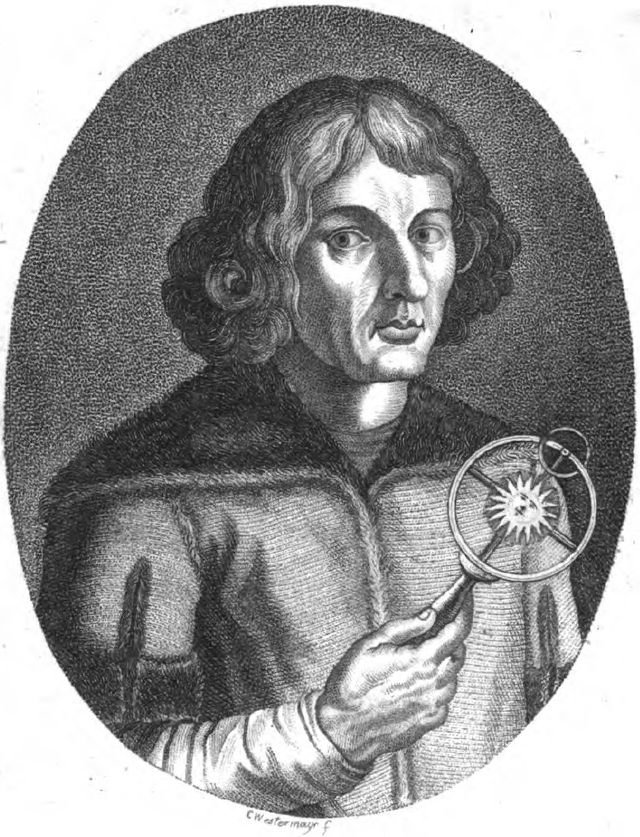
Nicolaus Copernicus (1473-1543): Born in Torun, Poland. Proposed the heliocentric model of the Solar System — that the Sun, not the Earth, is at the center. His work De revolutionibus orbium coelestium (1543) transformed our understanding of the cosmos.
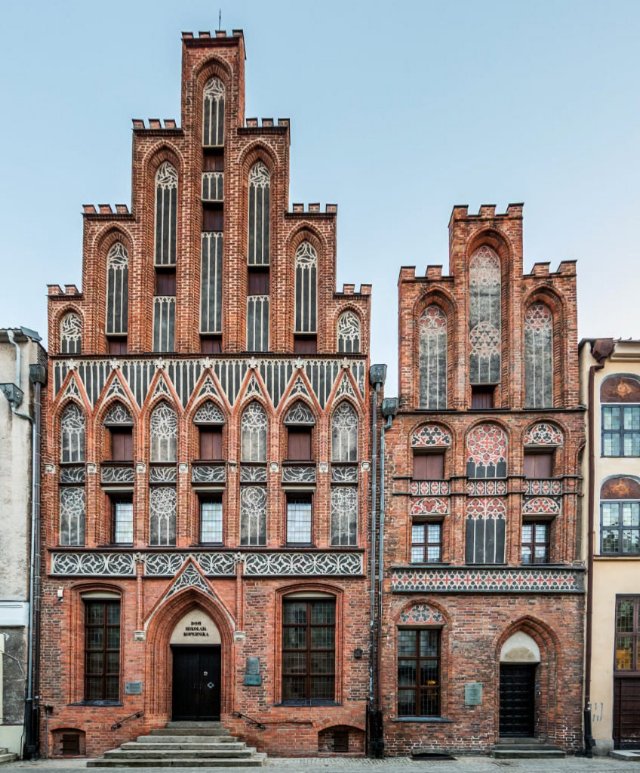
Copernicus House (Torun): His birthplace is now a museum dedicated to his life and scientific achievements.
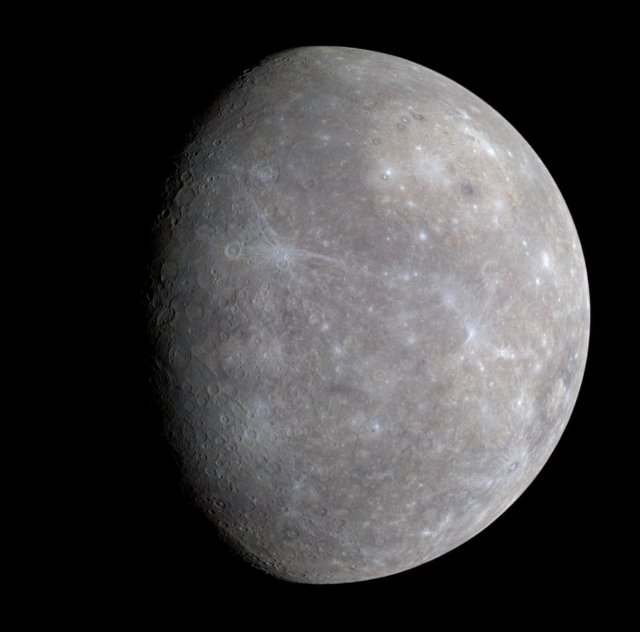
Mercury: Smallest planet and closest to the Sun. No atmosphere. Surface is covered with impact craters. Temperatures swing from -180 C at night to 430 C by day.
Venus: Second planet from the Sun. The hottest planet (460 C average), hotter than Mercury, due to its dense CO2 atmosphere trapping heat. Often called Earth's "twin" in size.
Earth: Third planet and the only one known to support life. 71% of its surface is water. Has one natural satellite: the Moon.
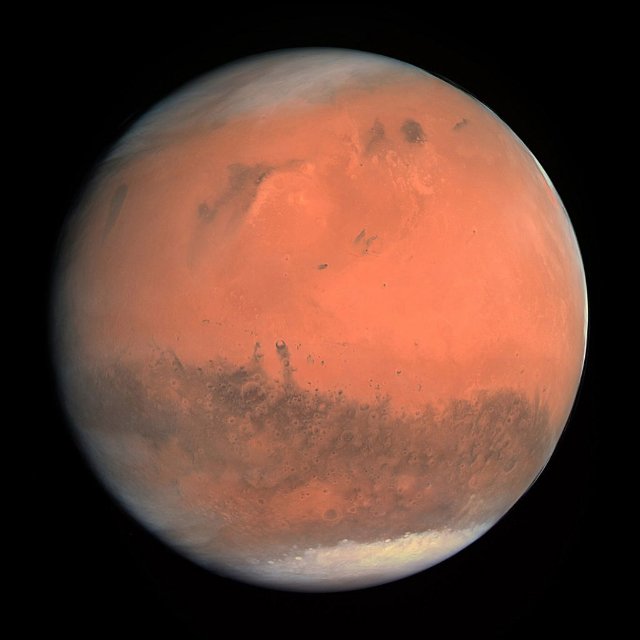
Mars: Fourth planet. Red color comes from iron oxide (rust) on its surface. Home to Olympus Mons, the tallest volcano in the Solar System (22 km high). Has two tiny moons.
Jupiter: Fifth planet and the largest in the Solar System. The Great Red Spot is a storm larger than Earth that has raged for centuries. Has at least 95 known moons.
Saturn: Sixth planet. Its spectacular ring system is made of billions of ice and rock particles. Saturn is so light it would float on water.
Uranus: Seventh planet. An "ice giant" made mostly of water, methane, and ammonia ices. Rotates on its side (98 degree axial tilt), making it unique in the Solar System.
Neptune: Eighth and farthest planet. A deep blue ice giant with the strongest winds in the Solar System (up to 2,100 km/h). Its largest moon, Triton, orbits backwards and is slowly spiralling inward. Named after the Roman god of the sea.
Quest Script
Topics
Solar System
- Importance: High
- Country: International
- Target age: Ages6to10
- Subjects: Science
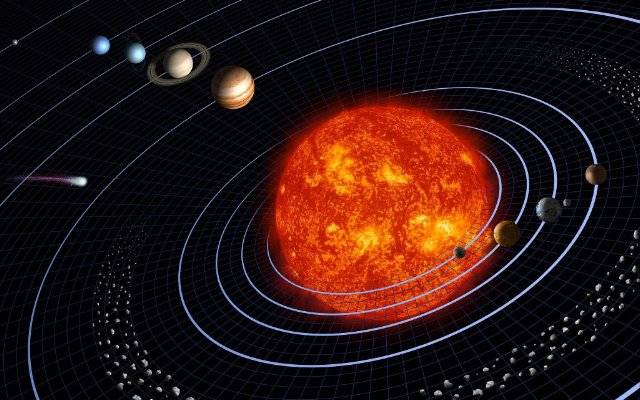
Core Card - Sistema solare
Il Sole e gli otto pianeti che gli ruotano attorno.
- Type: Concept
- Subjects: Space, Science
Connection (RelatedTo) - Mercurio
Il pianeta più vicino al Sole; piccolo e molto veloce.
- Type: Object
- Subjects: Space, Science
Connection (RelatedTo) - Marte
Il pianeta rosso con polvere e grandi vulcani.
- Type: Object
- Subjects: Space, Science
Connection (RelatedTo) - Giove
Il pianeta più grande, famoso per la Grande Macchia Rossa.
- Type: Object
- Subjects: Space, Science
Connection (RelatedTo) - Nettuno
Il dio del mare delle vecchie storie.
- Type: Concept
- Subjects: Culture, History
Connection (RelatedTo) - Venere
Un pianeta molto caldo ricoperto da spesse nubi.
- Type: Object
- Subjects: Space, Science
Connection (RelatedTo) - Modello eliocentrico
L'idea che il Sole sia al centro e che i pianeti gli girino attorno.
- Type: Concept
- Subjects: Science, Space, History
Connection (RelatedTo) - Astronomia
La scienza che studia il Sole, la Luna, le stelle e i pianeti.
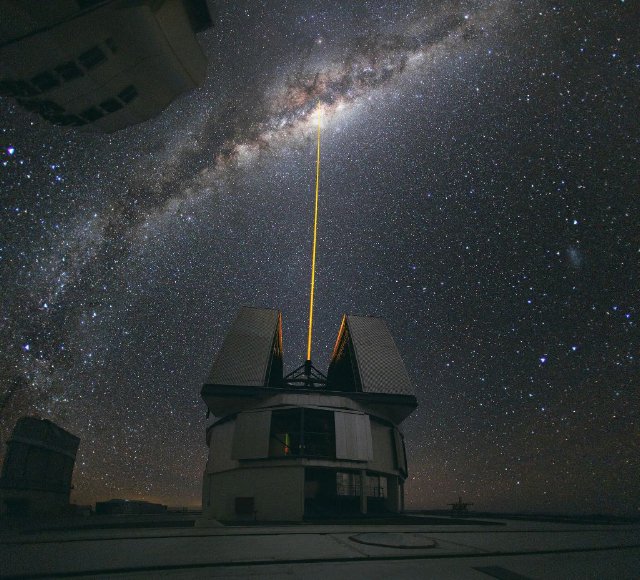
- Type: Concept
- Subjects: Science, Space
Connection (RelatedTo) - Saturno
Un pianeta gigante con anelli luminosi e numerose lune.
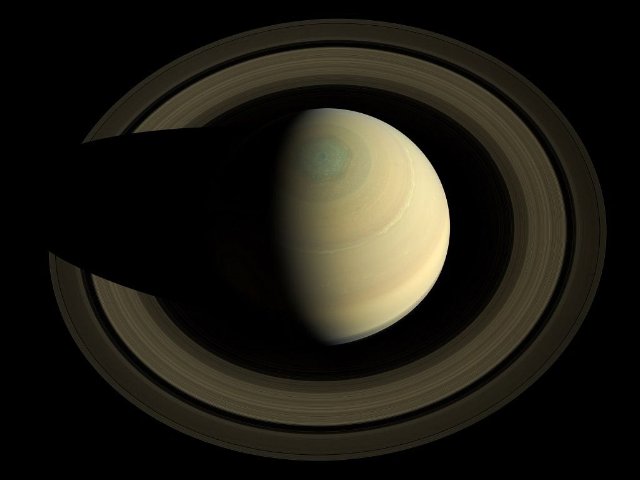
- Type: Object
- Subjects: Space, Science
Connection (RelatedTo) - Planetario
Un luogo dove è possibile osservare il cielo e le stelle restando al chiuso.
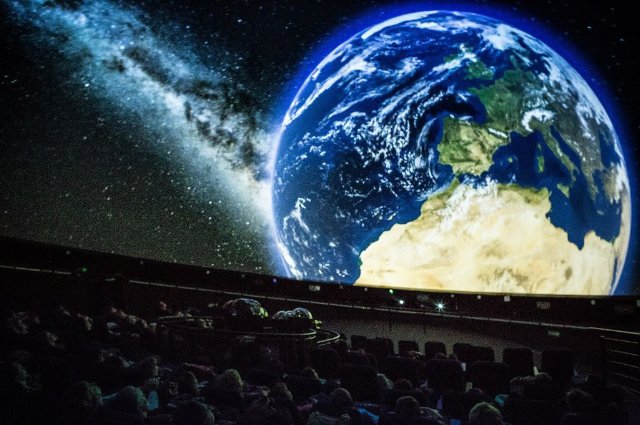
- Type: Place
- Subjects: Education, Science, Space
Connection (RelatedTo) - Terra
Il nostro pianeta natale con terra, aria e acqua.
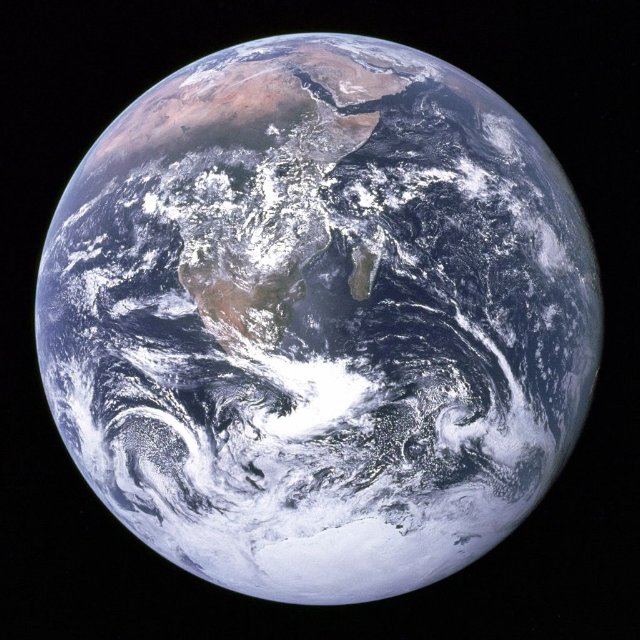
- Type: Object
- Subjects: Space, Science, Geography, Environment
Connection (RelatedTo) - Urano
Un pianeta blu-verde che ruota su un lato.
- Type: Object
- Subjects: Space, Science
Telescope
- Importance: Medium
- Country: International
- Target age: Ages6to10
- Subjects: Science
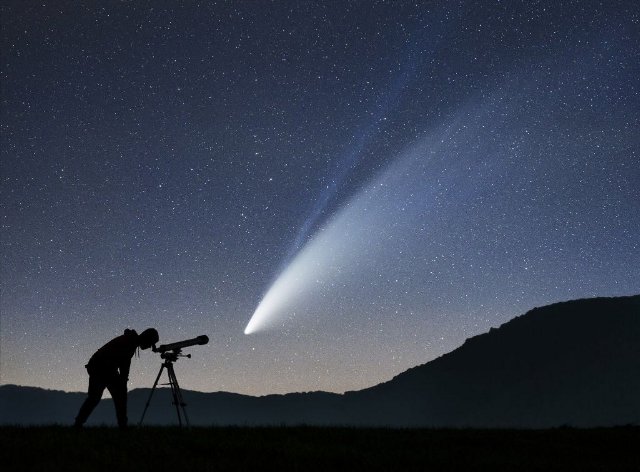
Core Card - Telescopio
Uno strumento che ci aiuta a vedere cose lontane nel cielo.
- Type: Object
- Subjects: Science, Technology, Space
Connection (RelatedTo) - Niccolò Copernico
Un brillante scienziato polacco ha scoperto che è la Terra a girare intorno al Sole, non il contrario! Questo ha cambiato il nostro modo di concepire lo spazio.
- Rationale: Copernicus teaches kids about scientific discovery and Polish contributions to astronomy
- Type: Person
- Subjects: Science, History, Space
- Year: 1473
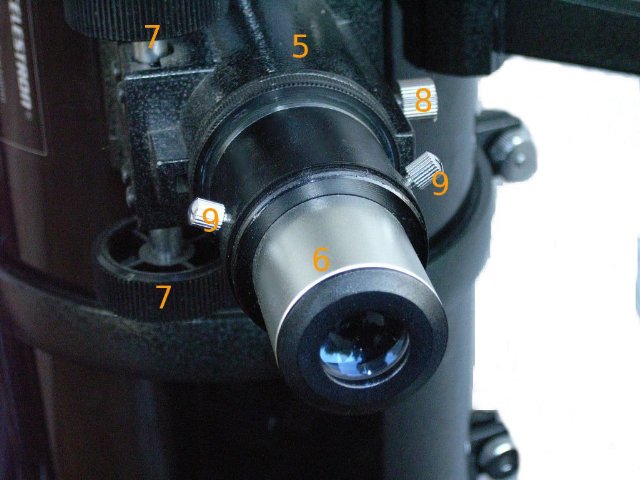
Connection (RelatedTo) - Oculare
La piccola lente attraverso cui si guarda in un telescopio.
- Type: Object
- Subjects: Science, Technology
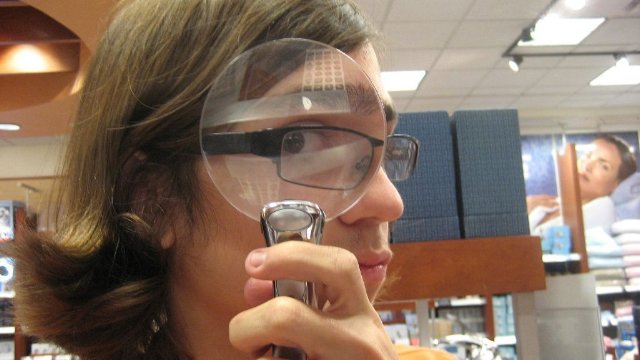
Connection (RelatedTo) - Lente
Un pezzo di vetro o plastica trasparente che piega la luce.
- Type: Object
- Subjects: Science, Technology
Connection (RelatedTo) - Planetario
Un luogo dove è possibile osservare il cielo e le stelle restando al chiuso.
- Type: Place
- Subjects: Education, Science, Space
Additional Cards
Casa di Niccolò Copernico
Ora è un museo dove è possibile scoprire di più sulla sua vita e sui suoi successi scientifici.
- Type: Place
- Subjects: Culture, Science
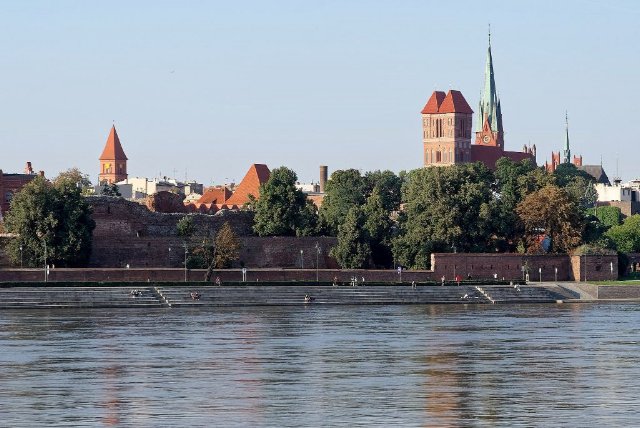
Toruń
Città della Polonia dove nacque Niccolò Copernico.
- Type: Place
- Subjects: Geography, History, Culture
Words
Activities
- (none)
Tasks
- (none)
Credits
- Jan Stasienko (Poland) (content)
- Stefano Cecere (Italy) (development)