Kopernik i układ słoneczny (pl_07)
Educators & Designers: help improving this quest!
Comments and feedback: discuss in the Forum
Improve script translations: comment the Google Sheet
Improve Cards translations: comment the Google Sheet
Improve the script: propose an edit here
Version: 1.00
Status: Development
Location: Poland - Toruń
Difficulty: Normal
Duration (min): 10
Description: Dowiedz się, kim był Mikołaj Kopernik i poznaj 8 planet Układu Słonecznego
Game Design Notes
Mission
Discover the 8 planets of the Solar System, collect their treasures, and put them in order to rescue Antura from Copernicus's model room.
And did you know Copernicus was from Poland?
Core Subject
The 8 planets of the Solar System and their order from the Sun, Nicolaus Copernicus and his heliocentric discovery.
Collect Mechanic
Each planet has objects to collect equal to its position number from the Sun.
Finding and counting them reinforces both the planet facts and the order.
| # | Planet | Activity | Object |
|---|---|---|---|
| 1 | Mercury | Collect 1 | sun-heated rock |
| 2 | Venus | Collect 2 | hot clouds |
| 3 | Earth | Collect 3 | water drops |
| 4 | Mars | Collect 4 | red dust grains |
| 5 | Jupiter | Collect 5 | storm bolts |
| 6 | Saturn | Collect 6 | ring fragments |
| 7 | Uranus | Collect 7 | ice crystals |
| 8 | Neptune | memory game | other planets |
Characters
- Nicolaus Copernicus (SENIOR_M): The main guide. Tells a short story about each planet.
- Guide (GUIDE_F): Introduces the quest, helps rescue Antura at the end.
- Old Sailor (SENIOR_M): Has sailed the farthest seas and knows about the deep, dark ocean of space.
Knowledge Content
Planets:
- Mercury — closest to the Sun, no air, covered in craters
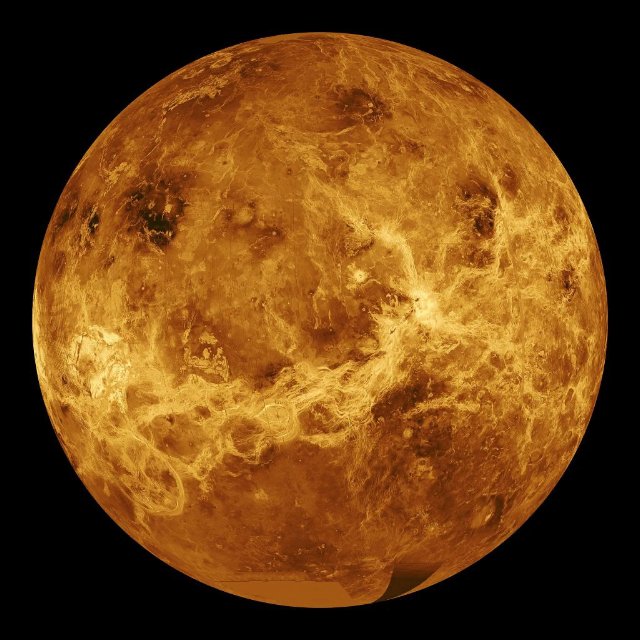
- Venus — hottest planet, wrapped in thick hot clouds
- Earth — our home, covered in water and life
- Mars — the Red Planet, dusty surface, tallest volcano in the Solar System
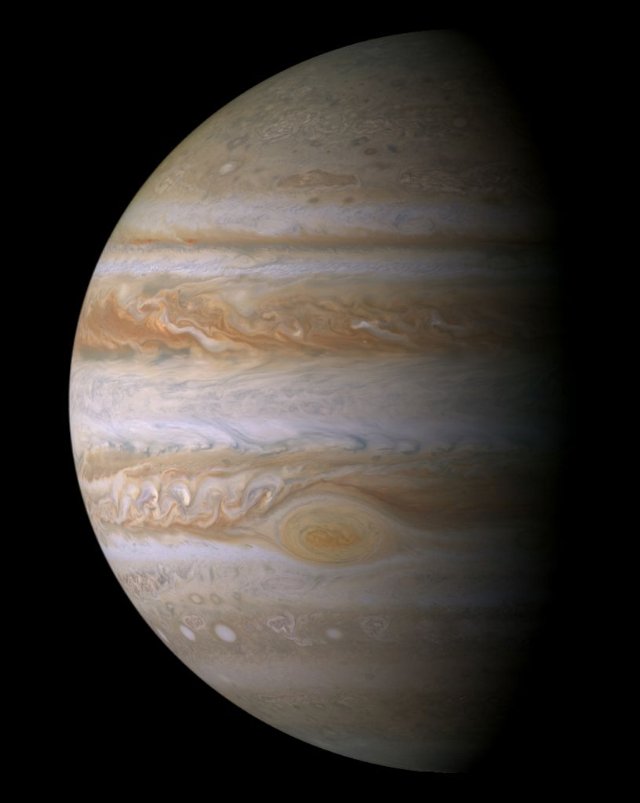
- Jupiter — the biggest planet, giant storm called the Great Red Spot
- Saturn — famous rings made of ice and rock
- Uranus — icy blue-green giant that spins on its side
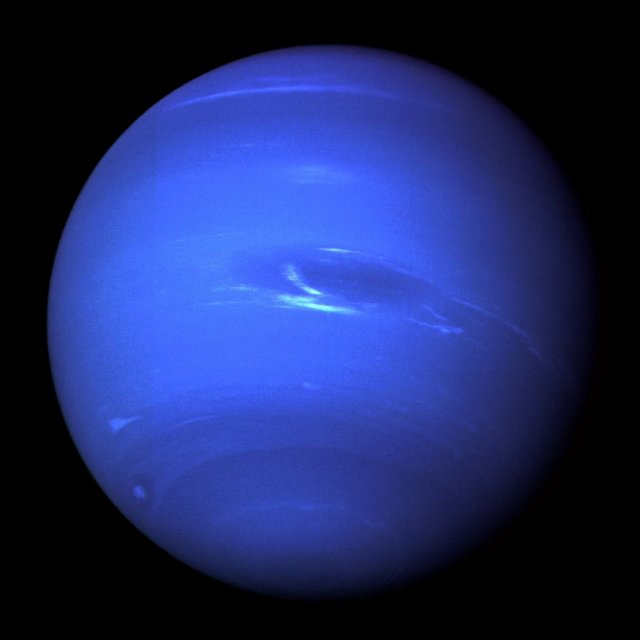
- Neptune — farthest planet, deep blue, extreme winds, has a giant moon called Triton
History:
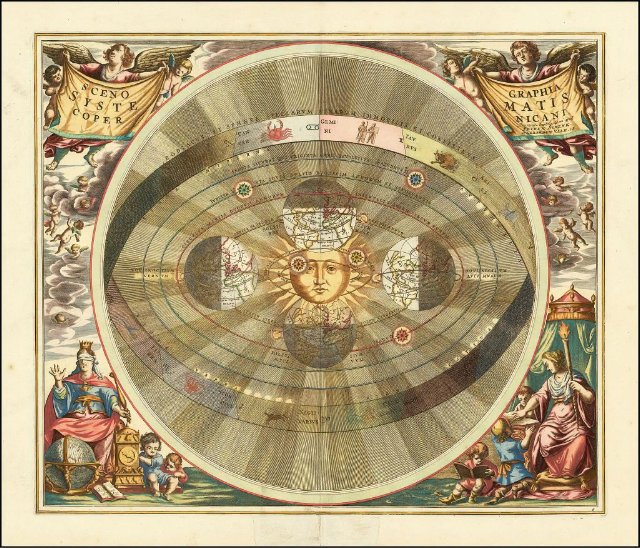
- Copernicus proved the Sun (not Earth) is at the center of the Solar System — the heliocentric model
- He was born in Torun, Poland
Vocabulary:
planet, solar system, sun, orbit, Mercury, Venus, Earth, Mars, Jupiter, Saturn, Uranus, Neptune, rings, crater, volcano, storm, ocean, cloud, ice, wind, moon
Flow
- Arrival in Torun — The guide welcomes the player outside Copernicus's house. Antura has sneaked into the model room.
- Meet Copernicus — He introduces himself and asks for help: the Solar System model is broken and the planets are scattered.
- Order Activity — The player arranges the 8 planets from the Sun (ORDER activity). Copernicus explains the heliocentric model.
- Planet Hunt (×7) — For planets 1–7 (Mercury → Uranus), in order from the Sun:
- Copernicus tells a short story about that planet
- The player collects N objects via a CLEANCANVAS activity (N = planet position)
- The planet is placed into the model
- Neptune Bonus — An old sailor (boatswain) appears at the edge of the model and introduces Neptune, the farthest planet. The activity is a MEMORY game matching Neptune facts (simpler, as a reward beat before the finale).
- Model Complete — All 8 planets placed. The model lights up.
- Rescue Antura — Copernicus opens the model room. Antura was hiding behind Neptune!
- Copernicus Farewell — He thanks the player and recalls his key discovery.
- Final Quiz — 3 questions:
- What's at the center?
- Which planet is closest?
- Which planet has rings?
Activities
order planets_order— arrange 7 planets in order from the Suncleancanvas collect_mercury_1— find 1 sun-heated rockcleancanvas collect_venus_2— find 2 hot cloudscleancanvas collect_earth_3— find 3 water dropscleancanvas collect_mars_4— find 4 red dust grainscleancanvas collect_jupiter_5— find 5 storm boltscleancanvas collect_saturn_6— find 6 ring fragmentscleancanvas collect_uranus_7— find 7 ice crystalsmemory neptune_facts— match Neptune facts (deep blue, farthest, Triton moon, strong winds) — simpler activity, introduced by the boatswainquiz copernicus_basics— 3 final questions
Resources
Nicolaus Copernicus (1473-1543): Born in Torun, Poland. Proposed the heliocentric model of the Solar System — that the Sun, not the Earth, is at the center. His work De revolutionibus orbium coelestium (1543) transformed our understanding of the cosmos.
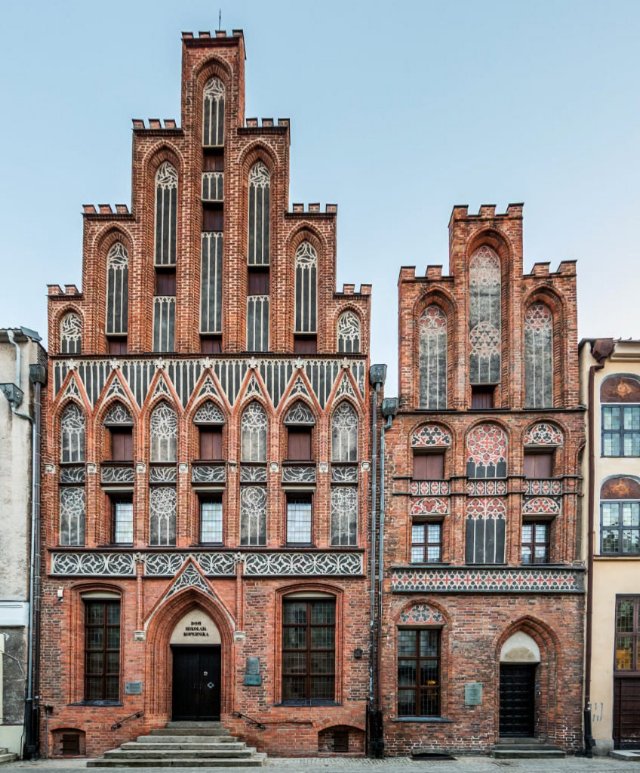
Copernicus House (Torun): His birthplace is now a museum dedicated to his life and scientific achievements.
Mercury: Smallest planet and closest to the Sun. No atmosphere. Surface is covered with impact craters. Temperatures swing from -180 C at night to 430 C by day.
Venus: Second planet from the Sun. The hottest planet (460 C average), hotter than Mercury, due to its dense CO2 atmosphere trapping heat. Often called Earth's "twin" in size.
Earth: Third planet and the only one known to support life. 71% of its surface is water. Has one natural satellite: the Moon.
Mars: Fourth planet. Red color comes from iron oxide (rust) on its surface. Home to Olympus Mons, the tallest volcano in the Solar System (22 km high). Has two tiny moons.
Jupiter: Fifth planet and the largest in the Solar System. The Great Red Spot is a storm larger than Earth that has raged for centuries. Has at least 95 known moons.
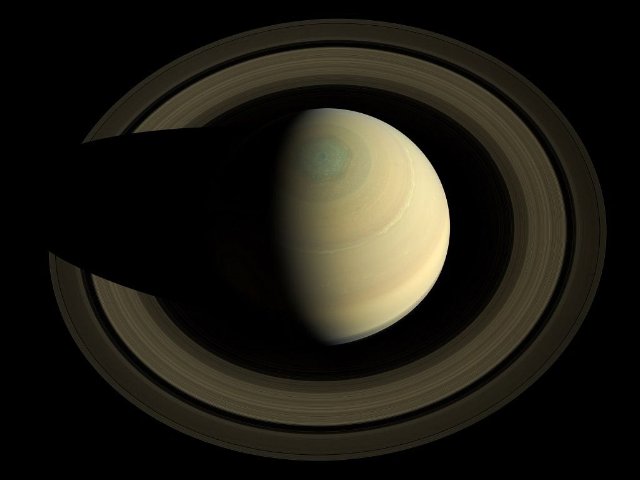
Saturn: Sixth planet. Its spectacular ring system is made of billions of ice and rock particles. Saturn is so light it would float on water.
Uranus: Seventh planet. An "ice giant" made mostly of water, methane, and ammonia ices. Rotates on its side (98 degree axial tilt), making it unique in the Solar System.
Neptune: Eighth and farthest planet. A deep blue ice giant with the strongest winds in the Solar System (up to 2,100 km/h). Its largest moon, Triton, orbits backwards and is slowly spiralling inward. Named after the Roman god of the sea.
Quest Script
Topics
Solar System
- Importance: High
- Country: International
- Target age: Ages6to10
- Subjects: Science
Core Card - Układ Słoneczny
Słońce i osiem planet krążących wokół niego.
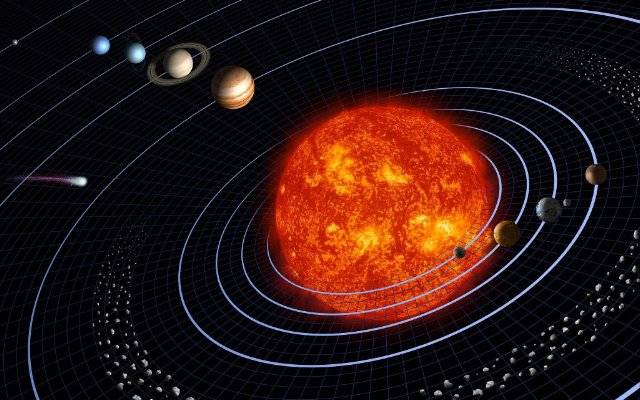
- Type: Concept
- Subjects: Space, Science
Connection (RelatedTo) - Merkury
Najbliższa Słońcu planeta, mała i bardzo szybka.
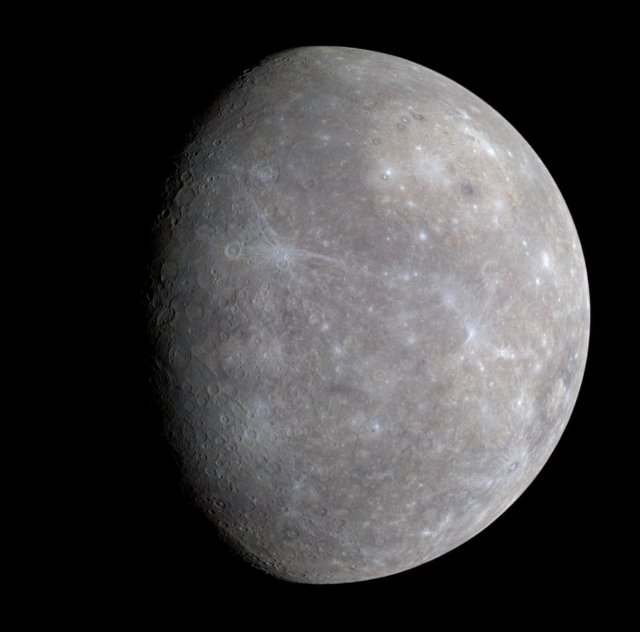
- Type: Object
- Subjects: Space, Science
Connection (RelatedTo) - Mars
Czerwona planeta z pyłem i dużymi wulkanami.
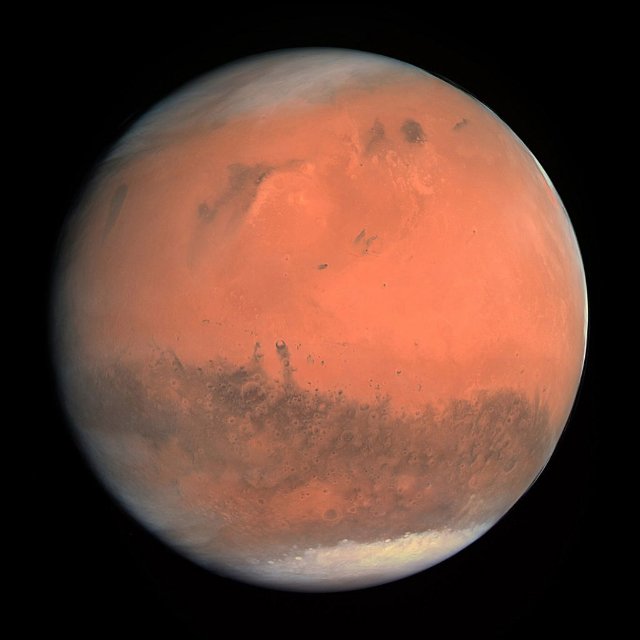
- Type: Object
- Subjects: Space, Science
Connection (RelatedTo) - Jowisz
Największa planeta, słynąca z Wielkiej Czerwonej Plamy.
- Type: Object
- Subjects: Space, Science
Connection (RelatedTo) - Neptun
Bóg morza ze starych opowieści.
- Type: Concept
- Subjects: Culture, History
Connection (RelatedTo) - Wenus
Bardzo gorąca planeta pokryta grubymi chmurami.
- Type: Object
- Subjects: Space, Science
Connection (RelatedTo) - Model heliocentryczny
Pogląd, że Słońce znajduje się w centrum, a planety krążą wokół niego.
- Type: Concept
- Subjects: Science, Space, History
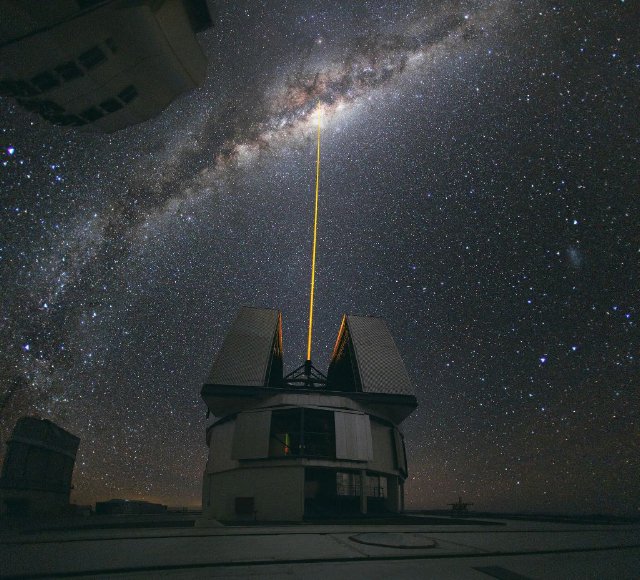
Connection (RelatedTo) - Astronomia
Nauka zajmująca się badaniem Słońca, Księżyca, gwiazd i planet.
- Type: Concept
- Subjects: Science, Space
Connection (RelatedTo) - Saturn
Olbrzymia planeta z jasnymi pierścieniami i wieloma księżycami.
- Type: Object
- Subjects: Space, Science
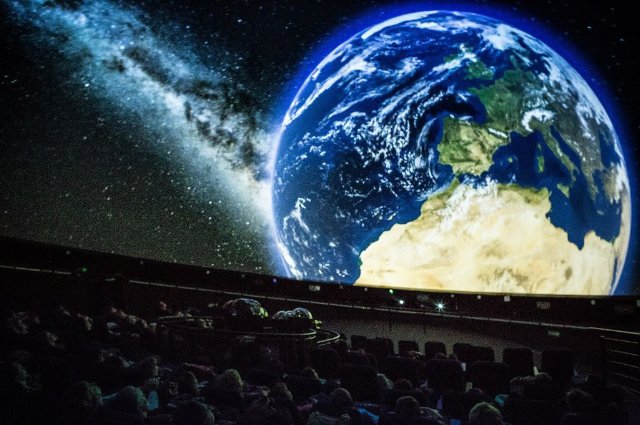
Connection (RelatedTo) - Planetarium
Budynek, w którym można oglądać niebo i gwiazdy.
- Type: Place
- Subjects: Education, Science, Space
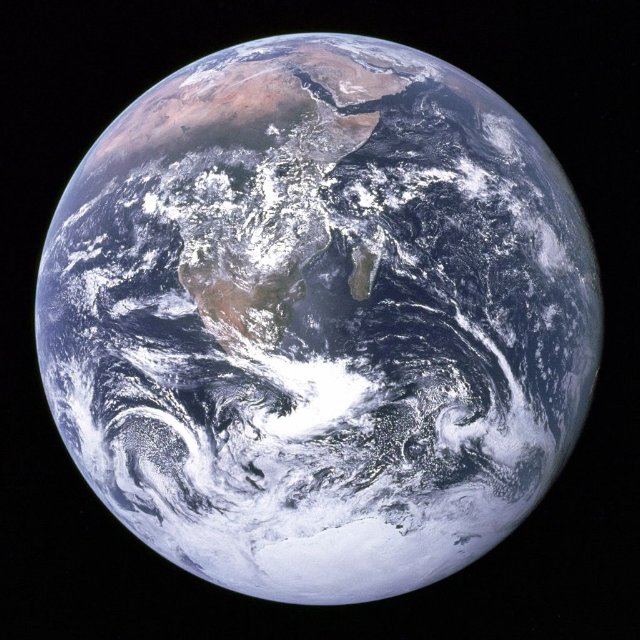
Connection (RelatedTo) - Ziemia
Nasza planeta, z domem powietrzem i wodą.
- Type: Object
- Subjects: Space, Science, Geography, Environment
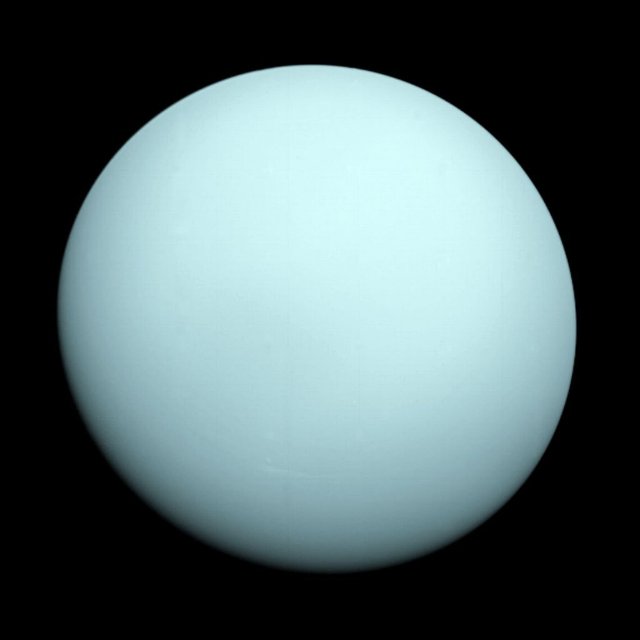
Connection (RelatedTo) - Uran
Niebiesko-zielona planeta, toczy się na boku.
- Type: Object
- Subjects: Space, Science
Telescope
- Importance: Medium
- Country: International
- Target age: Ages6to10
- Subjects: Science
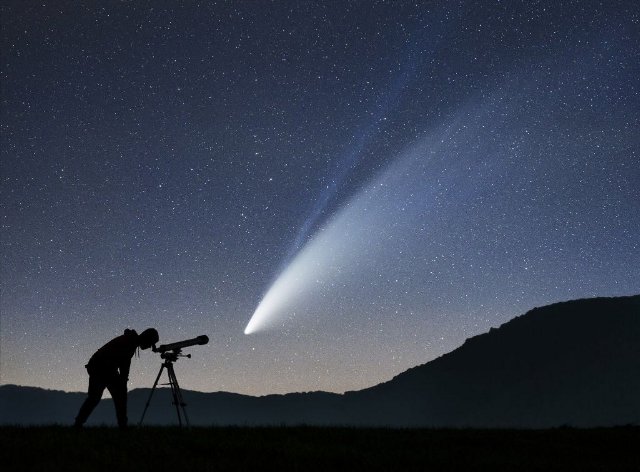
Core Card - Teleskop
Narzędzie pozwalające nam zobaczyć odległe obiekty na niebie.
- Type: Object
- Subjects: Science, Technology, Space
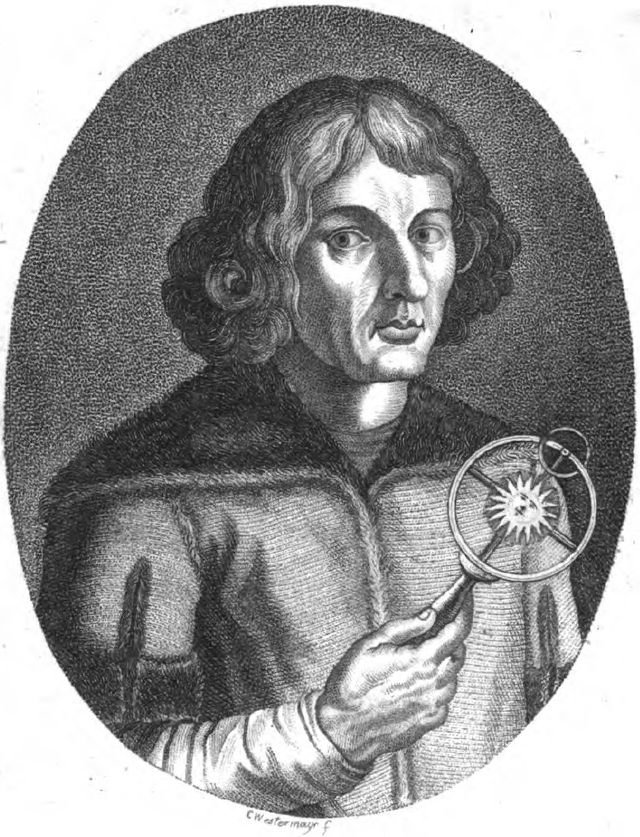
Connection (RelatedTo) - Mikołaj Kopernik
Genialny naukowiec z Polski, który odkrył, że to Ziemia krąży wokół Słońca, a nie odwrotnie! To zmieniło nasze rozumienie kosmosu.
- Rationale: Copernicus teaches kids about scientific discovery and Polish contributions to astronomy
- Type: Person
- Subjects: Science, History, Space
- Year: 1473
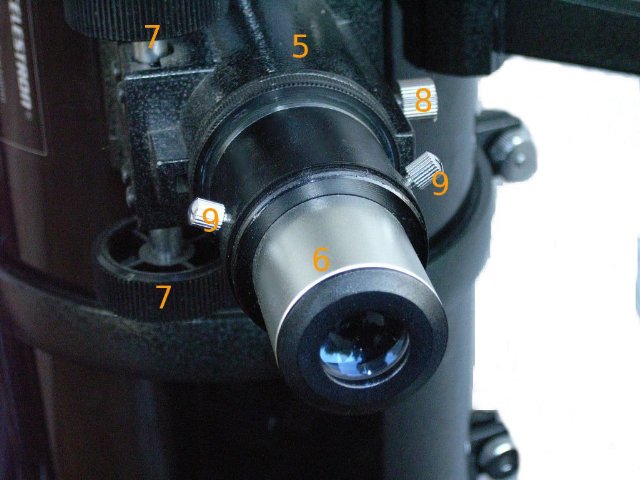
Connection (RelatedTo) - Okular
Mała soczewka, przez którą patrzysz w teleskopie.
- Type: Object
- Subjects: Science, Technology
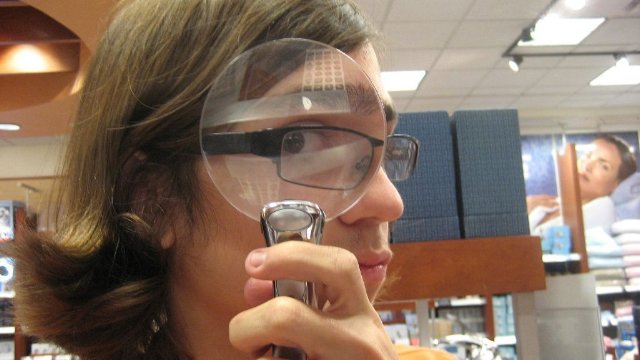
Connection (RelatedTo) - Obiektyw
Przezroczysta szyba lub plastik, która załamuje światło.
- Type: Object
- Subjects: Science, Technology
Connection (RelatedTo) - Planetarium
Budynek, w którym można oglądać niebo i gwiazdy.
- Type: Place
- Subjects: Education, Science, Space
Additional Cards
Dom Mikołaja Kopernika
Obecnie mieści się tam muzeum, w którym można poznać historię jego życia i osiągnięć naukowych.
- Type: Place
- Subjects: Culture, Science
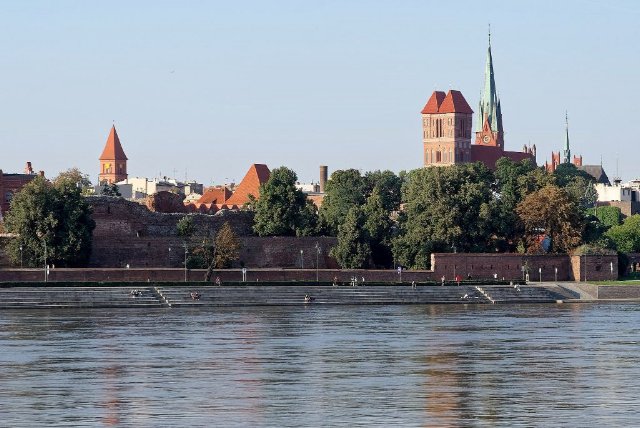
Toruń
Miasto w Polsce, w którym urodził się Mikołaj Kopernik.
- Type: Place
- Subjects: Geography, History, Culture
Words
Activities
- (none)
Tasks
- (none)
Credits
- Jan Stasienko (Poland) (content)
- Stefano Cecere (Italy) (development)